







INTRODUCTION
In the realm of digital signage and dynamic displays, LED boards have revolutionized how information is presented. Central to their functionality is the LED display control card—a pivotal component that orchestrates the seamless operation of these vibrant screens.
What is an LED Display Control Card?
An LED display control card serves as the brain of an LED display system. It processes input data, manages display parameters, and ensures that content—be it text, images, or videos—is rendered accurately on the screen. By interpreting and transmitting data to the LED modules, the control card ensures synchronized and coherent visual outputs.
Types of LED Display Control Cards
Understanding the various types of control cards is essential for selecting the right one for specific applications:
Synchronous Control Cards: These cards operate in real-time, displaying content directly from a connected source like a computer. They’re ideal for scenarios requiring live updates, such as event broadcasts or real-time data displays.
Asynchronous Control Cards: Equipped with onboard memory, these cards store content and play it independently of a continuous data source. They’re perfect for advertising billboards or information displays where content changes periodically.
Hybrid Control Cards: Combining features of both synchronous and asynchronous systems, hybrid cards offer flexibility, allowing for real-time updates while also supporting scheduled content playback.
Key Features and Functionalities
Modern LED display control cards come packed with features that enhance their versatility and performance:
High-Resolution Support: Catering to displays with varying resolutions, ensuring crisp and clear visuals.
Multiple Input Interfaces: Compatibility with various input sources, including HDMI, DVI, and USB, facilitates diverse content integration.
Remote Management: Advanced cards offer remote control capabilities via Wi-Fi or 4G, enabling content updates and system monitoring from distant locations.
Power Management: Some control cards allow for remote power control, optimizing energy consumption and operational efficiency.
Applications Across Industries
The adaptability of LED display control cards makes them invaluable across multiple sectors:
Advertising: Dynamic billboards and digital signage rely on control cards to manage and schedule promotional content effectively.
Transportation: Real-time information displays in airports, train stations, and bus terminals utilize control cards for timely updates.
Retail: Stores employ LED displays for promotions and announcements, with control cards ensuring timely and relevant content delivery.
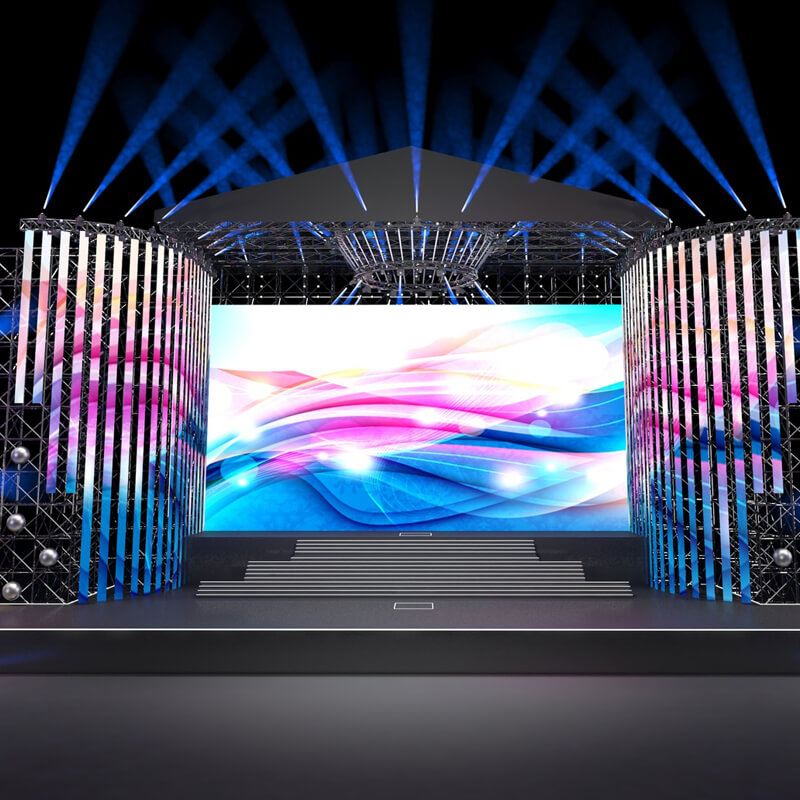
Events and Entertainment: Concerts, sports events, and exhibitions use large LED screens managed by control cards for live feeds and interactive content.
Selecting the Right Control Card
Choosing an appropriate control card hinges on several factors:
Display Size and Resolution: Ensure the card supports the specific resolution and dimensions of your LED display.
Content Requirements: Determine whether real-time updates or scheduled content playback is needed to select between synchronous, asynchronous, or hybrid cards.
Connectivity Needs: Assess the necessity for remote management features based on the display’s location and accessibility.
Budget Constraints: Balance the desired features with budget considerations to find a cost-effective solution.
