The Technology Behind LED Billboard

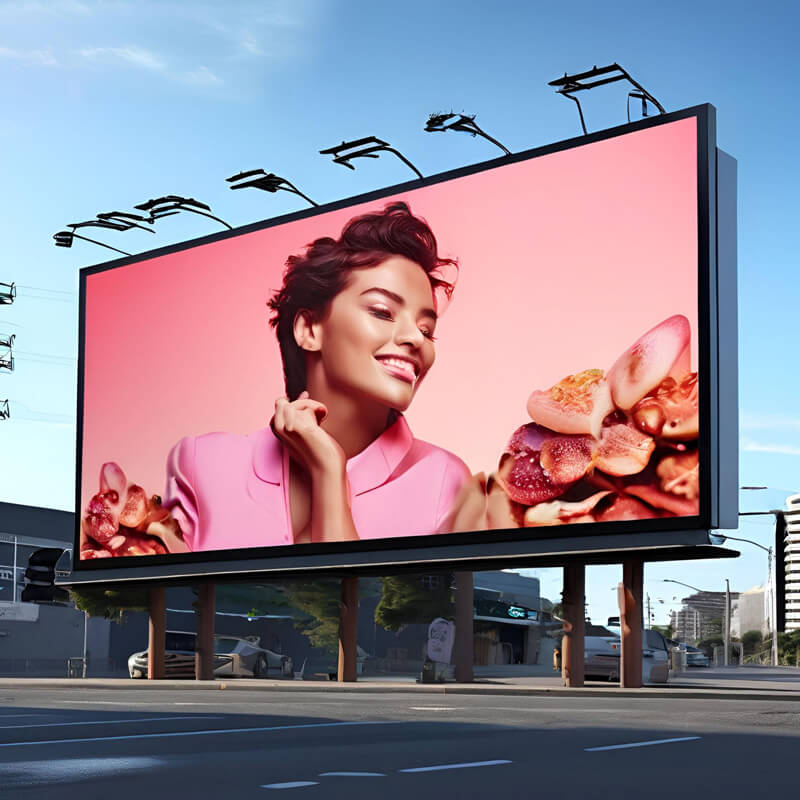
LED billboards are complex, vast arrays of components designed to work in harmony, delivering dynamic content visible in various conditions, rather than being single monolithic screens. The technology is primarily centred on three main elements: the display Hardware, the Control system, and the pixel Architecture

The Core Display Hardware (The Screen)
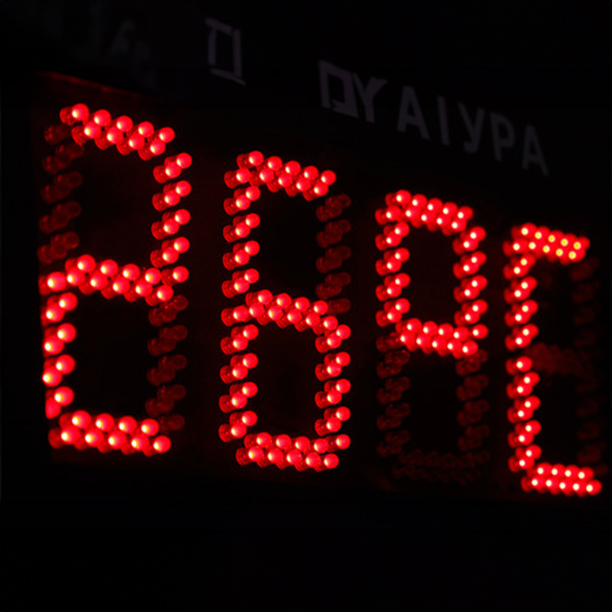
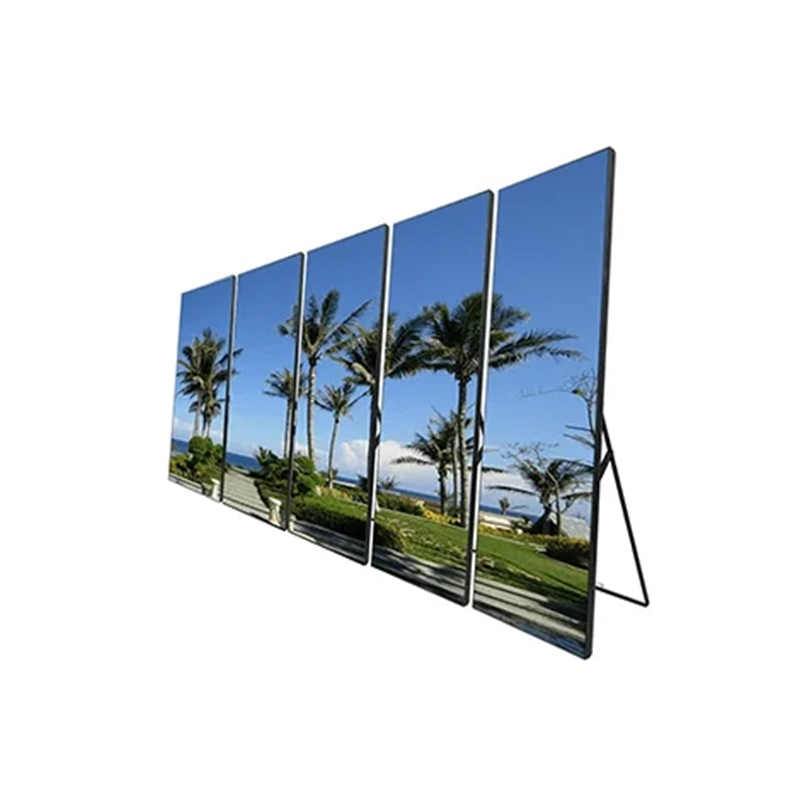
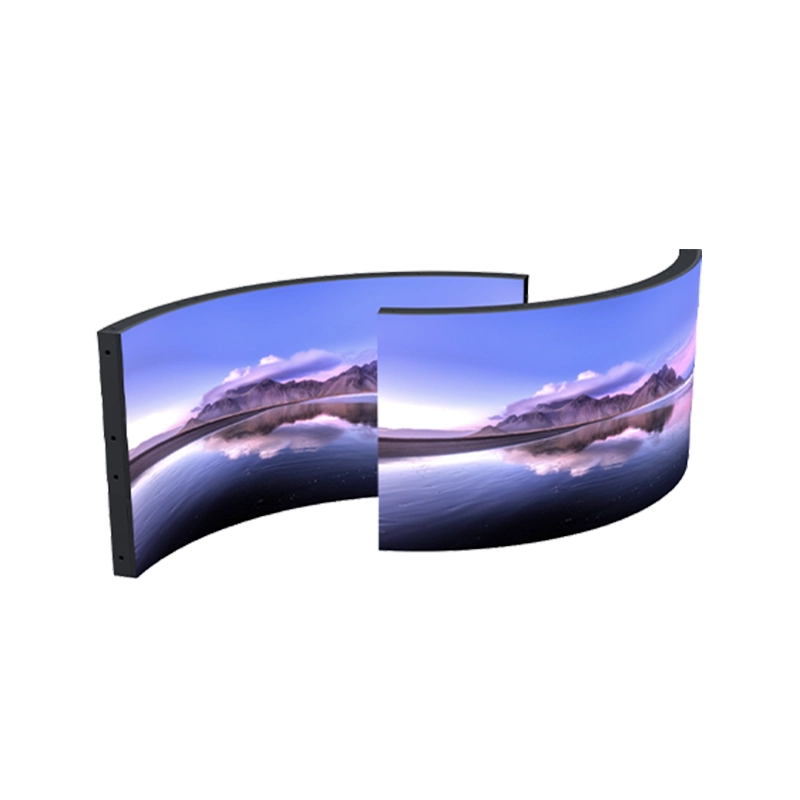
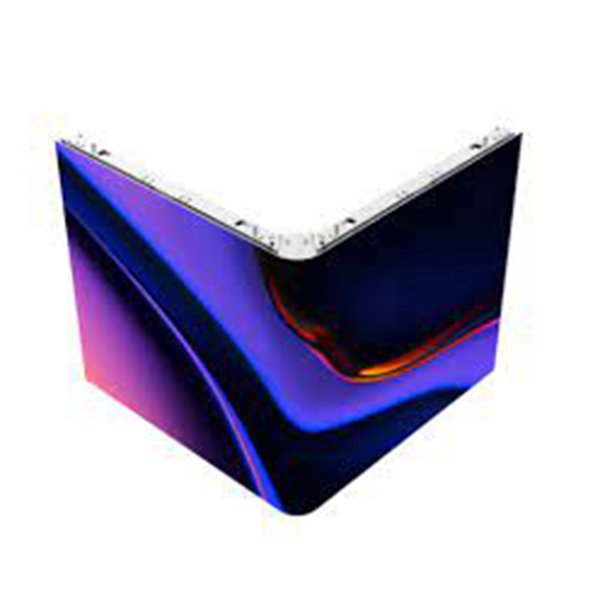
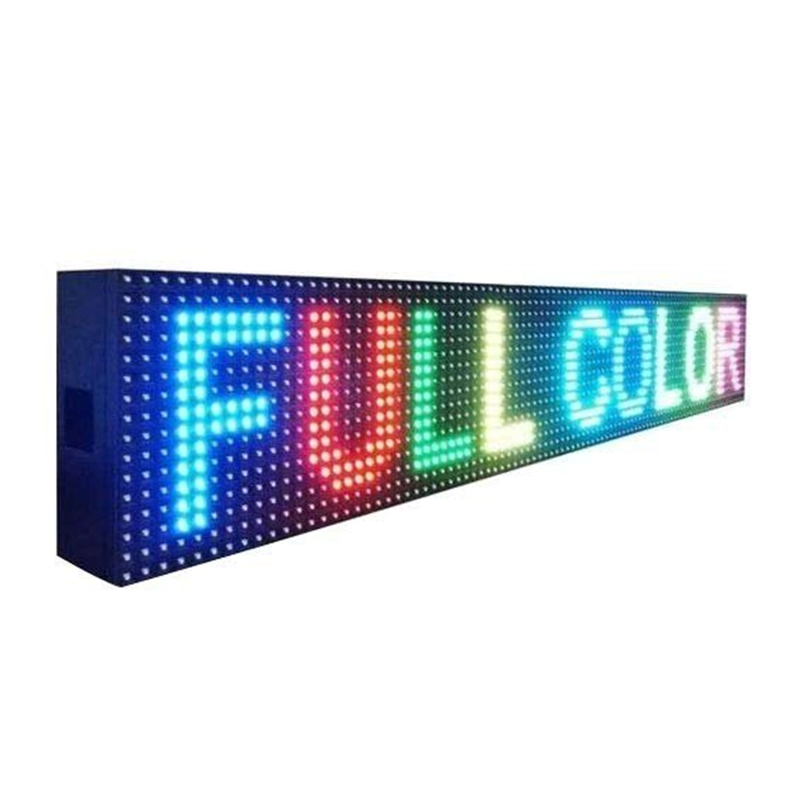
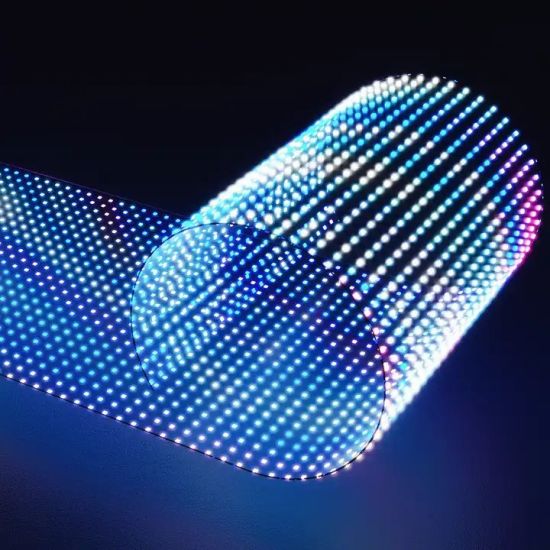
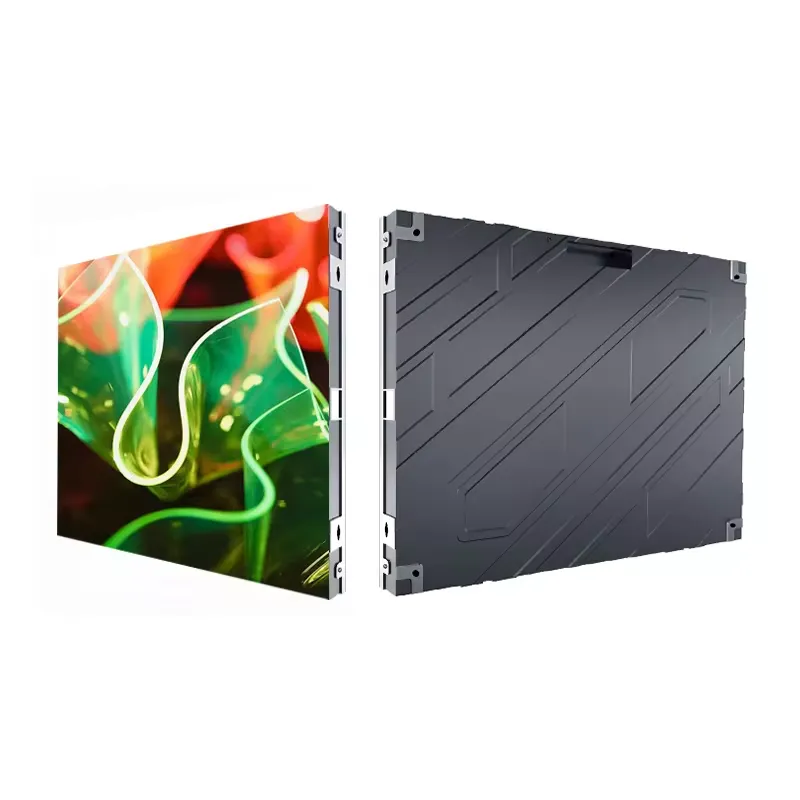
The LED billboard screen is composed of interlocking LED modules. These modules are the fundamental units, with thousands of LEDs arranged to form pixels. Each pixel has three diodes: Red, Green, and Blue (RGB), producing millions of colors.

LED Packaging Technology:
Determines screen performance, with two main types:
DIP (Dual In-line Package): Older, larger diodes ideal for long-distance highway billboards with extreme visibility needs (up to 10,000 nits)
SMD (Surface-Mounted Device): Integrates RGB diodes into a single chip, offering higher pixel density, wider viewing angle, and crisper video quality.
Pixel Pitch (P-Value): Distance between pixel centres (e.g.P10 =10mm pitch).
Smaller pitch (e.g., P4) means higher resolution, better for closer viewing distances.
Larger Pitch (e.g., P10): Suitable for applications where the audience is far away (like a highway), balancing clarity with a lower production cost.

The Control System Control Hardware: The main components are the Sending Card (or Video Processor, like the VP410) and Receiving Cards (like the R712). The Video Processor takes the input (from a computer, HDMI, or USB) and scales, processes, and formats the image/video data. The Sending Card transmits this data via high-speed Ethernet (Gigabit) to the array of Receiving Cards. The Receiving Cards are installed in the individual cabinets, translating the digital signal into the specific electrical currents that tell each tiny Red, Green, and Blue diode how bright to shine. Content Management System (CMS): This is the software platform (often cloud-based) that allows operators to remotely: Schedule content (running different ads at different times of the day). Update the content instantly via the internet. Monitor the billboard's status (temperature, brightness, power). High Refresh Rate: To ensure dynamic content (like videos) looks smooth and is flicker-free when filmed by a camera, professional LED billboards operate with refresh rates typically over 3840 Hz.

The Structural & Environmental Technology Outdoor LED billboards must be engineered to survive the elements. Weatherproofing: Cabinets have a high Ingress Protection (IP) rating (e.g., IP65) meaning they are dust-tight and protected against water jets (rain). Brightness (Nits/cd/m²): Outdoor billboards must be exceptionally bright, often exceeding 5,000 to 10,000 nits, to remain vivid and clear under direct sunlight. Cooling Systems: Since the densely packed LEDs and electronics generate significant heat, robust cooling systems (fans and heat sinks) are integrated to prevent overheating and prolong the lifespan of the components. Structural Integrity: The massive display is mounted on a heavily reinforced steel frame designed to withstand high winds and extreme weather conditions.