LED Video Walls as Information Hubs
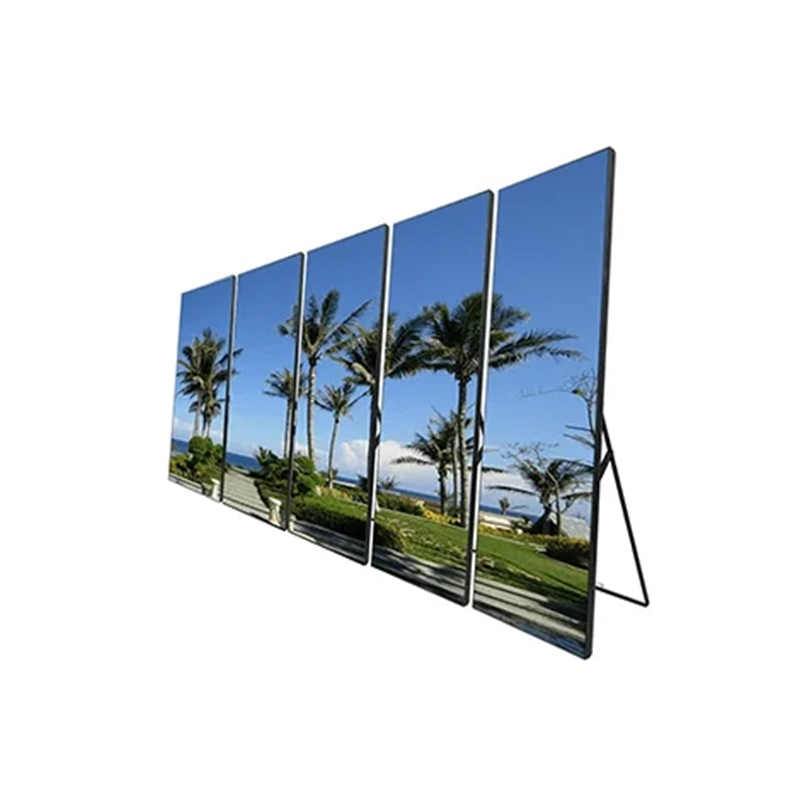
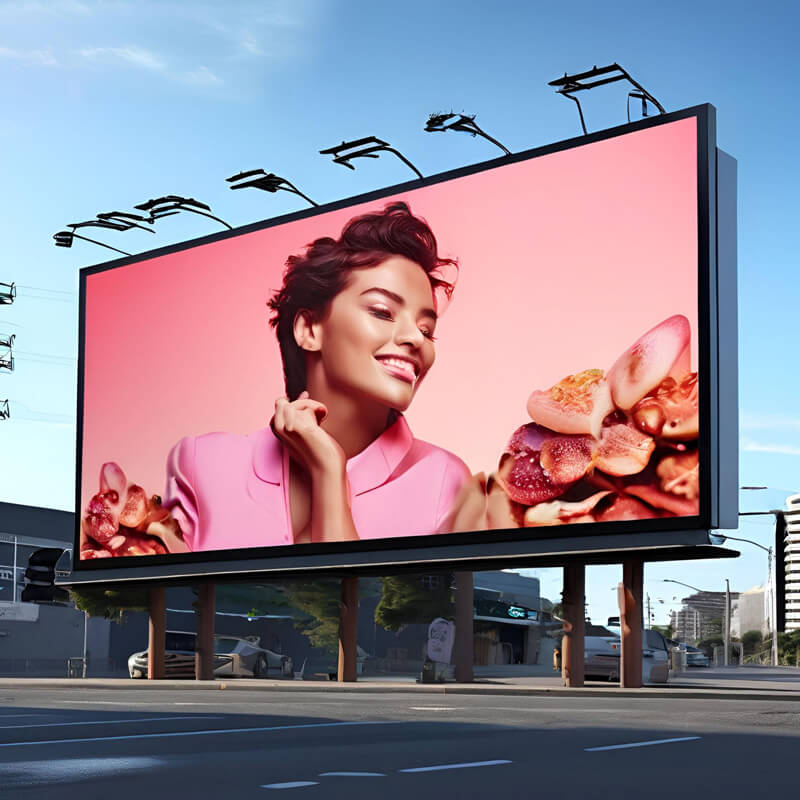
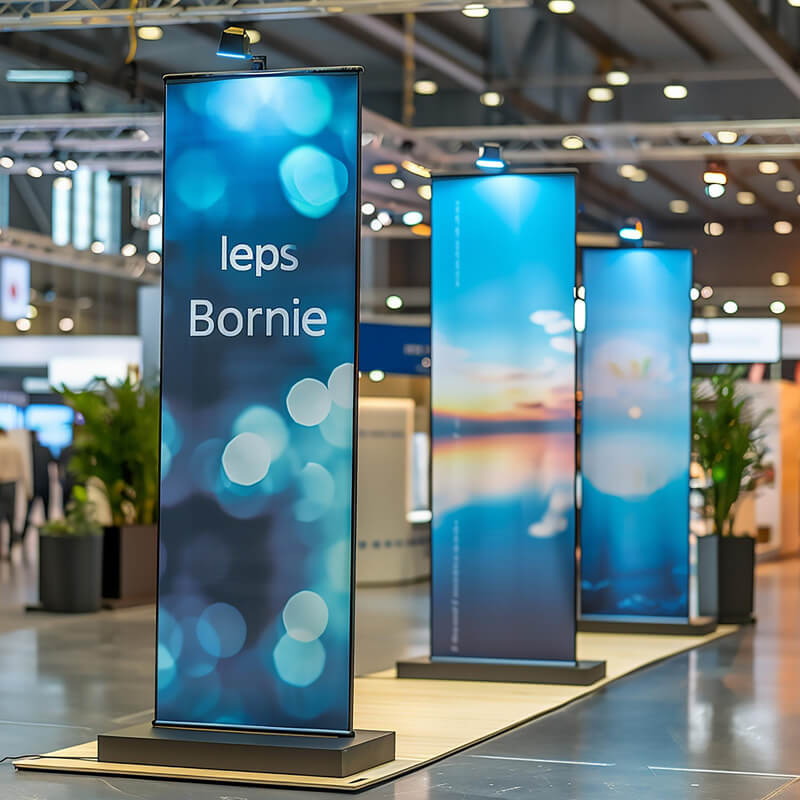
One of the most impactful uses of LED video walls in smart cities is their ability to serve as real-time information hubs. Positioned in public spaces such as transportation terminals, city squares, and shopping centers, these displays provide citizens with vital updates. From traffic alerts to weather reports and emergency announcements, LED walls ensure information is accessible and visible to thousands of people simultaneously.
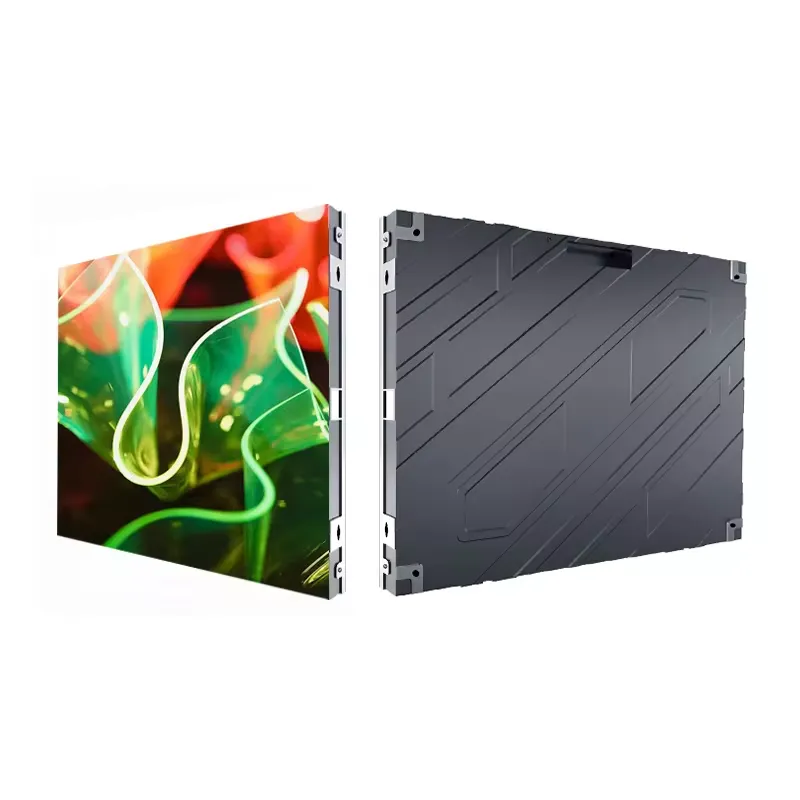
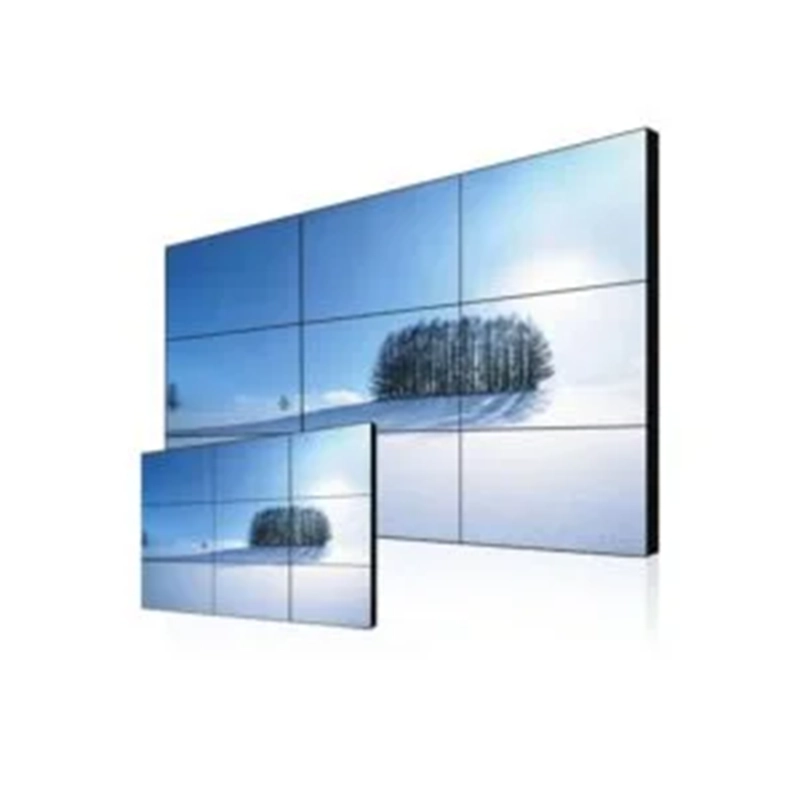
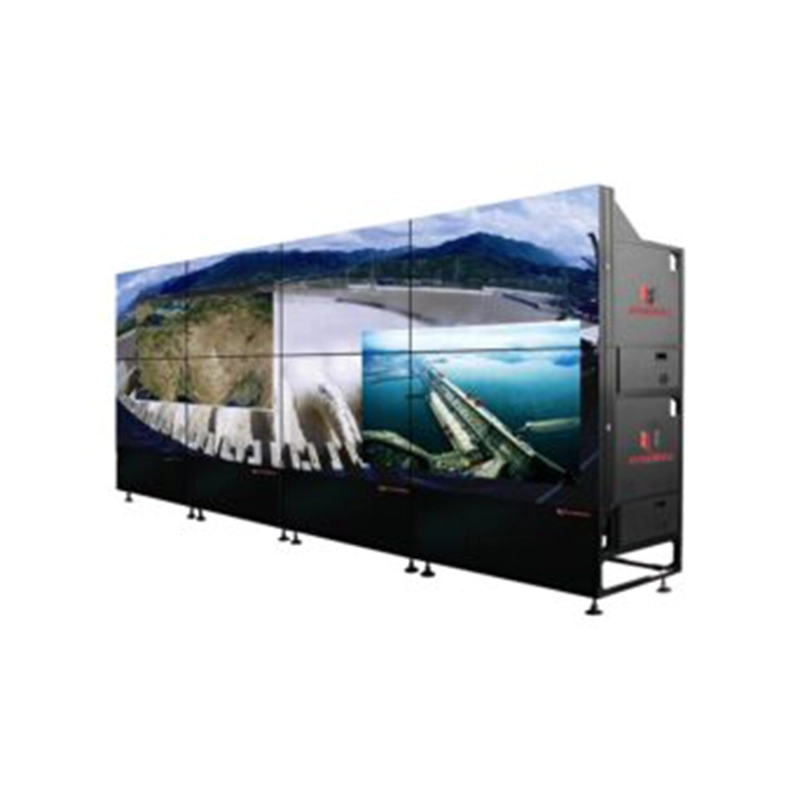
The high brightness and superior clarity of LED video walls make them perfect for outdoor environments, where visibility can be affected by daylight or harsh weather. Their seamless design allows for large, continuous screens without distracting gaps, ensuring messages are delivered clearly and effectively.
Enhancing Urban Aesthetics and Engagement
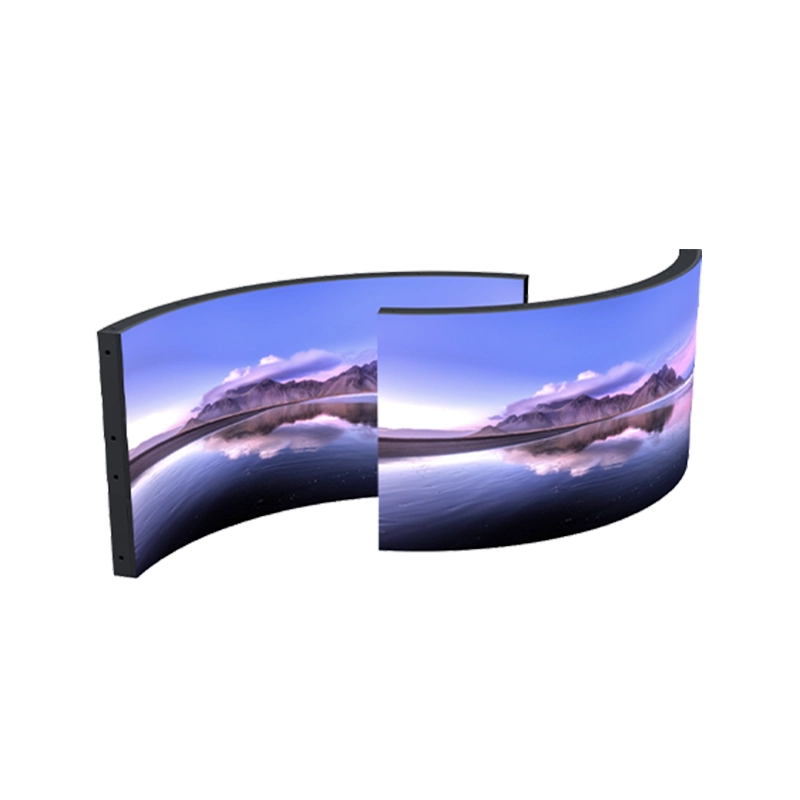
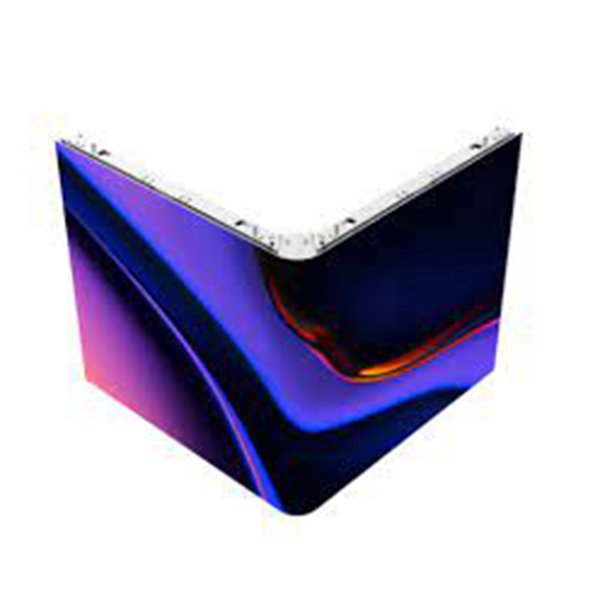
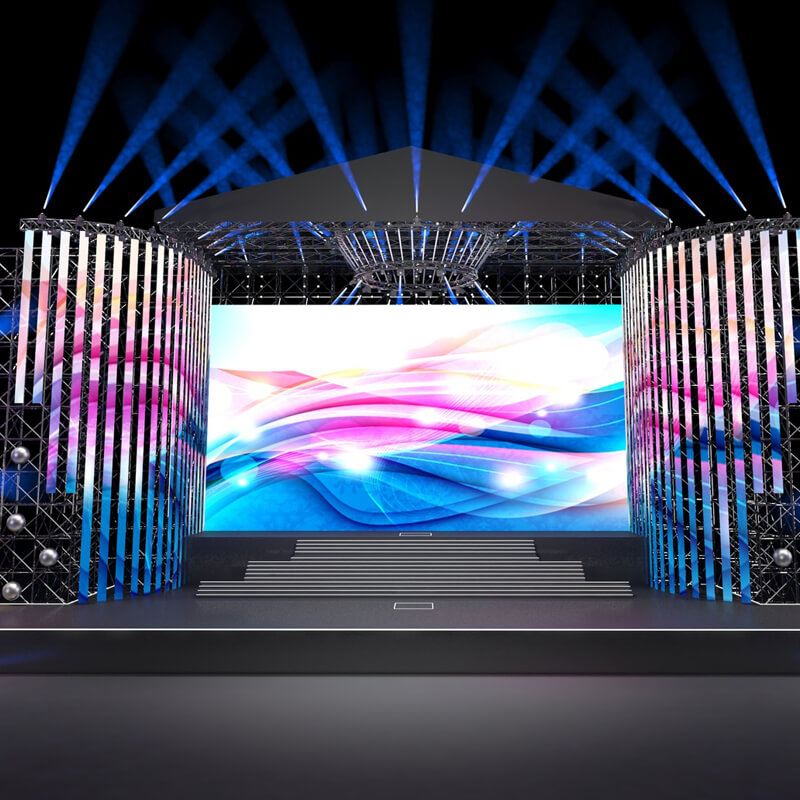
Beyond practical communication, LED video walls are increasingly being integrated into city architecture as artistic and interactive elements. Buildings with LED façades can transform urban landscapes by displaying digital art, animations, or dynamic visual content. This not only enhances the aesthetics of public spaces but also encourages community engagement through interactive installations and live event broadcasts.
For example, cities hosting cultural festivals or sports events can use LED video walls to broadcast live performances or match highlights, bringing people together and creating vibrant, shared experiences.
Sustainable and Smart Technology Integration
Modern LED video walls are designed with sustainability in mind, using energy-efficient components and long-lasting materials. Many smart cities are adopting eco-friendly policies, and LED displays align with these goals by consuming less power compared to traditional signage solutions. Furthermore, these systems can be integrated with other smart technologies, such as IoT sensors and AI-driven content management platforms.
This integration allows city authorities to update content remotely, respond to real-time situations, and even use data analytics to optimize communication strategies. As smart cities evolve, the role of LED video walls will likely expand beyond information sharing to include data visualization, interactive services, and augmented reality experiences.
Conclusion
LED video wall displays have already proven their value in urban environments, and their future within smart cities looks even more promising. As technology advances, these displays will become smarter, more efficient, and more interactive, contributing to safer, more connected, and visually engaging urban spaces. For city planners and technology providers, investing in LED video wall solutions is not just about enhancing communication — it’s about shaping the future of modern cities.