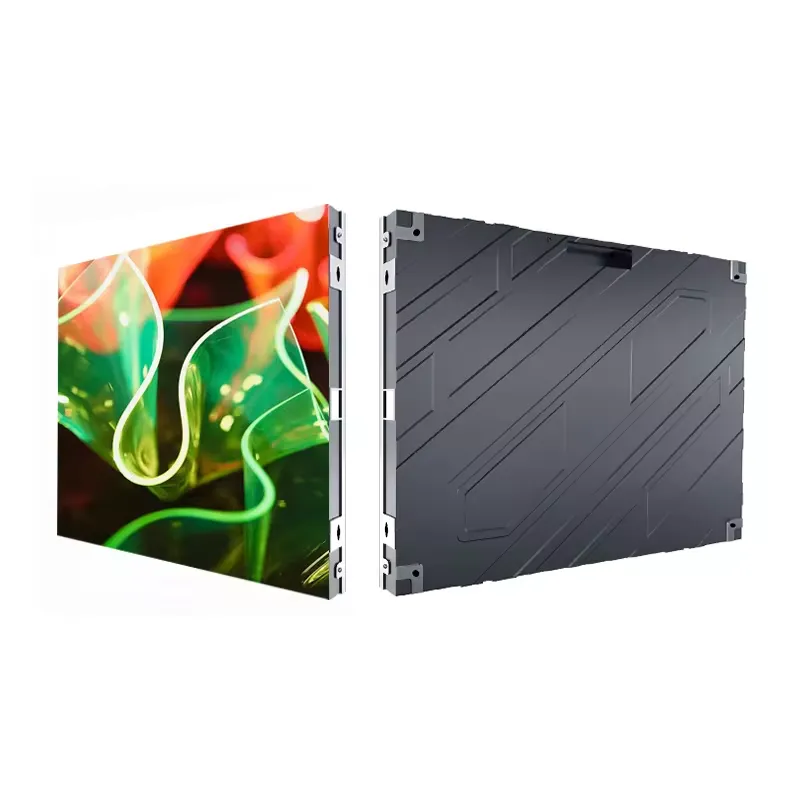
LED Screen Installation Mistakes: 10 Problems to Avoid

Installing an LED screen is more than simply mounting cabinets and connecting power. A successful LED display installation requires careful planning, accurate measurements, proper structural support, reliable electrical connections, correct configuration, and thorough testing.

Even a high-quality LED screen can experience performance issues if the installation is not carried out correctly. From incorrect screen measurements to poor cable management, small installation mistakes can affect image quality, reliability, safety, and the overall lifespan of the display.

Here are 10 common LED screen installation mistakes to avoid.

1. Choosing the Wrong Screen Size

One of the first mistakes is selecting an LED screen size without considering the available space, viewing distance, and intended content.

A screen that is too small may not provide sufficient visibility, while an oversized display may not suit the installation area. Before finalizing the screen dimensions, consider the audience's viewing distance, screen location, aspect ratio, and content requirements.

2. Selecting the Wrong Pixel Pitch

Pixel pitch plays an important role in determining image clarity and the recommended viewing distance.

Using a pixel pitch that is not suitable for the installation environment can affect the viewing experience. Fine-pitch LED displays are generally suitable for closer viewing, while larger pixel pitches can be appropriate for screens viewed from greater distances.

The choice should be based on where the audience will stand and how the screen will be used.

3. Ignoring the Supporting Structure

An LED screen requires a stable and properly engineered supporting structure. Insufficient structural planning can create alignment problems and may also raise safety concerns.

Before installation, the structure should be evaluated according to the screen's dimensions, weight, installation position, wind conditions for outdoor applications, and mounting method. A strong foundation is essential for a reliable LED display installation.

4. Poor Electrical Planning

LED screens require appropriate power distribution and electrical protection. Overlooking electrical requirements can lead to interruptions, component damage, or unstable operation.

Power requirements should be calculated before installation, with suitable distribution systems, protection devices, grounding, and cabling planned according to the project requirements.

For large installations, proper electrical planning should be treated as an essential part of the design—not an afterthought.

5. Incorrect Cabinet Alignment

LED display cabinets need to be properly aligned during installation. Even small gaps, uneven positioning, or incorrect cabinet placement can become noticeable once the entire screen is switched on.

Accurate installation helps create a uniform surface and seamless visual appearance. Installers should carefully check cabinet positioning, locking mechanisms, leveling, and alignment throughout the installation process.

6. Neglecting Ventilation and Heat Management

LED displays generate heat during operation, particularly in demanding environments and outdoor installations. Installing a display without considering airflow and heat dissipation can increase operating temperatures and potentially affect component performance.

The installation design should provide appropriate ventilation and allow heat to dissipate effectively. Environmental conditions should also be considered when selecting the display and installation method.

7. Poor Cable Management

Power and signal cables are essential to the operation of an LED display, but poorly organized cabling can create unnecessary maintenance problems.

Loose, tangled, improperly secured, or incorrectly routed cables can make troubleshooting more difficult and may increase the risk of connection problems. Well-planned cable routing, labeling, and securing can make future inspection and maintenance considerably easier.

8. Using Incorrect Signal Connections

An LED screen depends on accurate signal transmission between the media source, sending equipment, receiving cards, and display modules. Incorrect connections or unsuitable signal configurations can result in problems such as missing content, abnormal images, flickering, or sections of the screen not displaying correctly. Every connection should be checked against the system configuration before the screen is commissioned.

9. Skipping Calibration and Testing

Installing the physical screen is only one part of the process. Calibration and testing are equally important.

After installation, the display should be checked for:

Brightness uniformity Color consistency Pixel or module abnormalities Signal stability Cabinet alignment Refresh performance Content scaling Power stability

Thorough testing helps identify issues before the display is handed over for regular use.

10. Forgetting Future Maintenance Access

Another common mistake is designing an installation without considering how technicians will access the display later.

LED screens may require module replacement, cable inspection, cleaning, receiving-card maintenance, or other service work. If the installation makes these areas difficult to reach, routine maintenance can become more complicated.

Planning service access during the initial design stage can save time and reduce future maintenance challenges. Additional Considerations for Outdoor LED Screens Outdoor installations require additional planning because the display is exposed to changing environmental conditions. Factors such as rain, dust, direct sunlight, temperature changes, and wind should be considered. The appropriate IP protection, brightness level, cabinet construction, ventilation, drainage, and structural support should be selected according to the installation environment.

Conclusion

A successful LED screen installation depends on much more than assembling display cabinets. Screen size, pixel pitch, structural design, electrical planning, cabinet alignment, heat management, cabling, signal connections, calibration, and maintenance access all contribute to the final result. Avoiding these common installation mistakes can help businesses achieve a display that performs reliably and delivers a consistent visual experience over time. Whether it is an indoor video wall, outdoor advertising display, corporate LED screen, event display, or customized LED installation, proper planning and professional execution are key to getting the most from your LED display investment.