LED Screen Cabinet Deformation: Causes, Risks, and Prevention

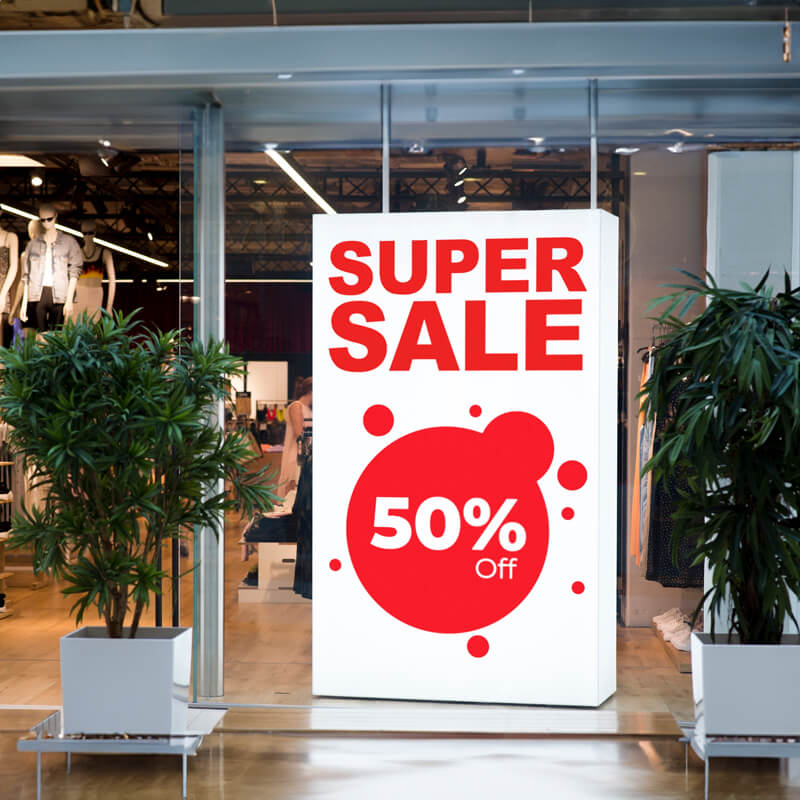
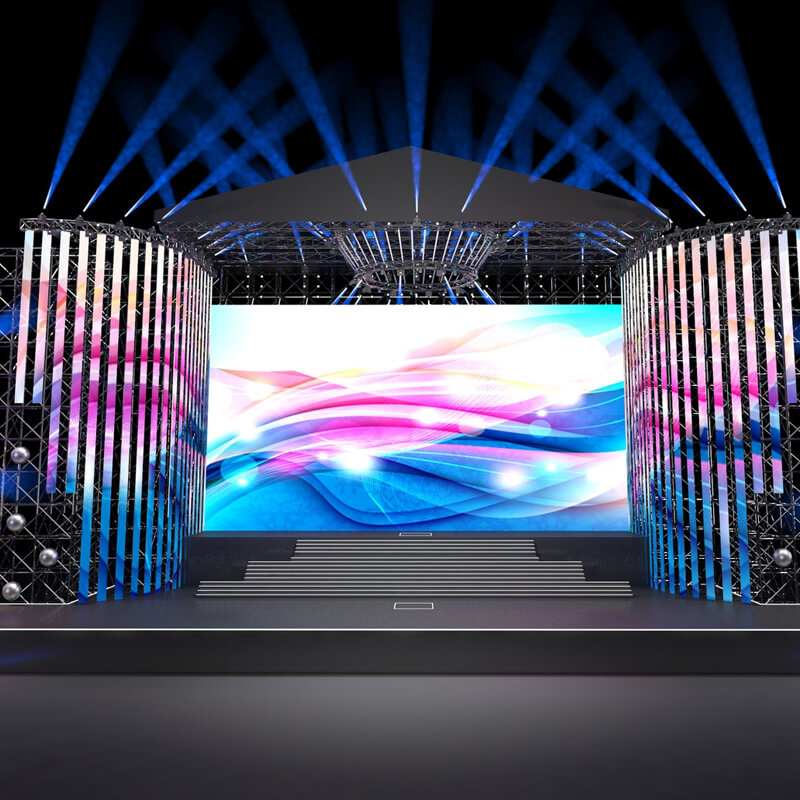
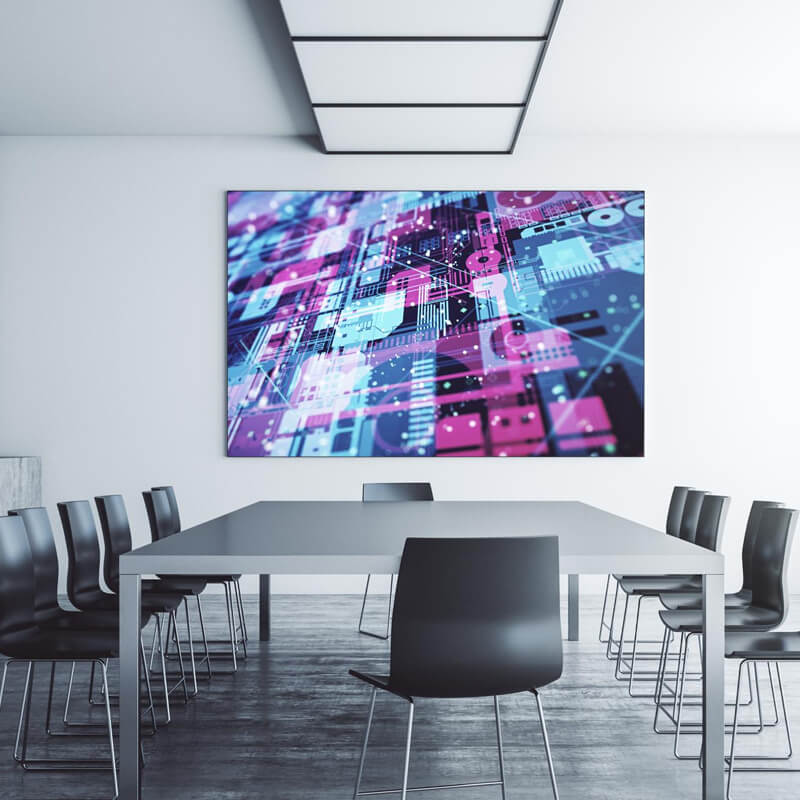
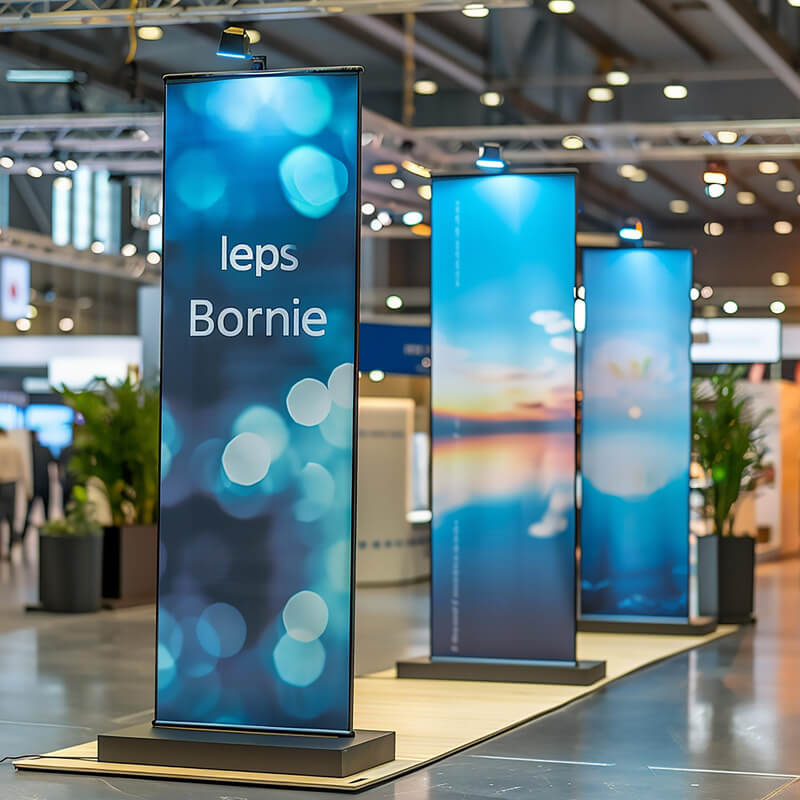
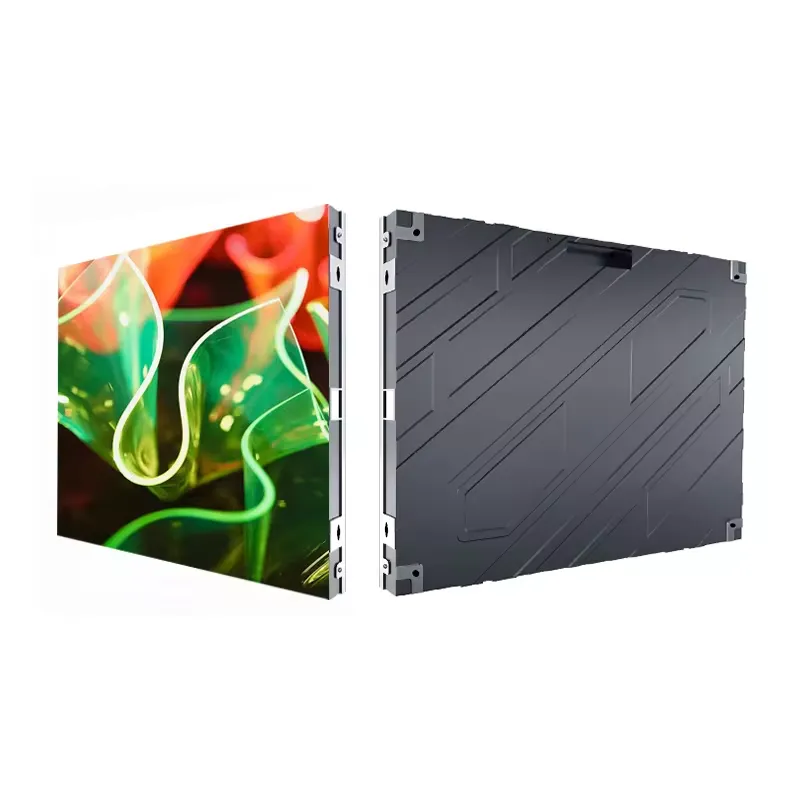
LED screens are widely used in advertising, shopping malls, corporate spaces, exhibitions, and outdoor installations. To maintain excellent image quality and reliable performance, the structural condition of LED screen cabinets is just as important as their electronic components.


Cabinet deformation occurs when the frame becomes bent, warped, or distorted. This can cause visible gaps, uneven surfaces, alignment issues, and potential damage to internal components.

Understanding the causes and prevention methods helps businesses maintain display quality, reduce repair costs, and extend the lifespan of their LED screens.

1. What Causes LED Screen Cabinet Deformation?

Several factors can affect the shape and stability of LED screen cabinets.

Excessive pressure: Rough handling or forcing cabinets together can bend frames and damage edges.

Transportation damage: Impacts, improper stacking, and inadequate packaging can deform cabinets.

Poor structural support: Uneven or weak mounting structures may place unwanted stress on the cabinets.

Temperature changes: Repeated heating and cooling can contribute to material expansion, contraction, and alignment changes.

Incorrect locking: Damaged or improperly secured locking mechanisms can affect cabinet positioning.

Environmental loads: Wind and vibration can place additional stress on outdoor displays and their supporting structures.

2. Risks of Cabinet Deformation

Deformed cabinets can affect both the appearance and reliability of an LED display.

Uneven screen surfaces: Bent frames can create visible gaps and misaligned edges.

Module damage: Structural pressure may damage LED modules or their connections.

Connection problems: Misaligned cabinets can make locking and electrical connections difficult.

Higher maintenance costs: Repairs and repeated adjustments can increase downtime and expenses.

Safety concerns: Severe deformation may indicate structural damage that requires immediate inspection.

3. Warning Signs to Look For

Regular inspection helps identify cabinet deformation early. Look for:

Visible gaps between cabinets Bent corners or uneven edges Protruding or recessed screen surfaces Locks that do not engage properly Cracks, dents, or unusual movement Repeated alignment problems after installation

If a cabinet appears structurally damaged, stop using the affected section until it has been inspected by qualified personnel.

4. How to Prevent Cabinet Deformation

Follow these best practices to protect LED screen cabinets:

Handle cabinets carefully: Use approved lifting methods and avoid impacts during installation and transportation.

Inspect before installation: Check cabinet frames, corners, locks, and mounting points for damage.

Use proper structural support: Ensure the supporting frame is stable, level, and designed for the intended load.

Follow installation guidelines: Use the recommended locking mechanisms and avoid forcing cabinets into position.

Maintain suitable operating conditions: Provide adequate ventilation and follow the manufacturer's environmental specifications.

Store equipment safely: Use protective cases and follow approved stacking and storage procedures.

Schedule regular inspections: Check cabinets after transportation, installation, and during routine maintenance.

5. What to Do If a Cabinet Is Deformed

If deformation occurs, inspect the affected cabinet and its supporting structure to identify the cause. Check for damaged locks, bent frames, and misaligned mounting points.

Consult the manufacturer or a qualified service professional to determine whether repair or replacement is appropriate. Avoid straightening, drilling, or modifying structural components without an approved procedure.

Conclusion

LED screen cabinet deformation can result from rough handling, transportation damage, poor structural support, temperature changes, or environmental stress. If ignored, it can affect screen alignment, image quality, component reliability, and installation safety.

Proper handling, secure mounting, suitable storage, and regular inspections help prevent these problems and extend the useful life of LED displays.

Maintaining cabinet integrity is essential for achieving a smooth screen surface, reliable performance, and long-lasting display quality.