LED Display Module Mask: How It Improves Contrast

Introduction

When it comes to LED displays, brightness often gets the most attention. However, contrast is equally important for producing sharp, clear, and visually appealing images. One component that plays a significant role in improving contrast is the LED display module mask.

An LED module mask is positioned around the LED pixels to control how light is emitted from the display. By reducing unwanted reflections, light leakage, and glare, the mask can significantly improve image quality—particularly in bright indoor environments and outdoor applications

What Is an LED Display Module Mask?

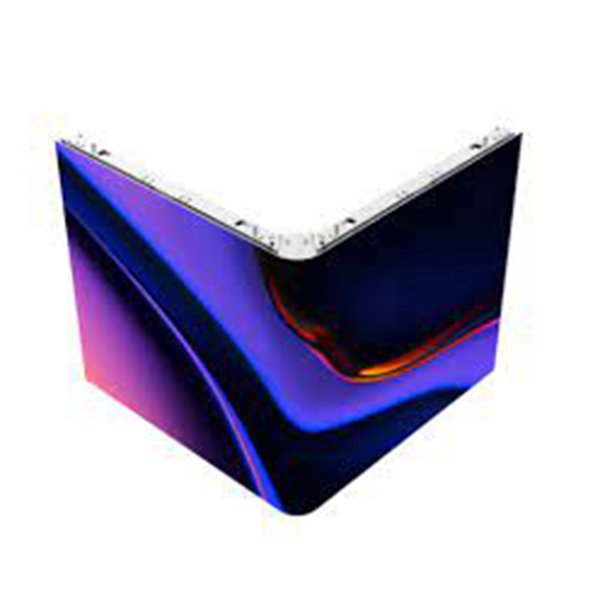
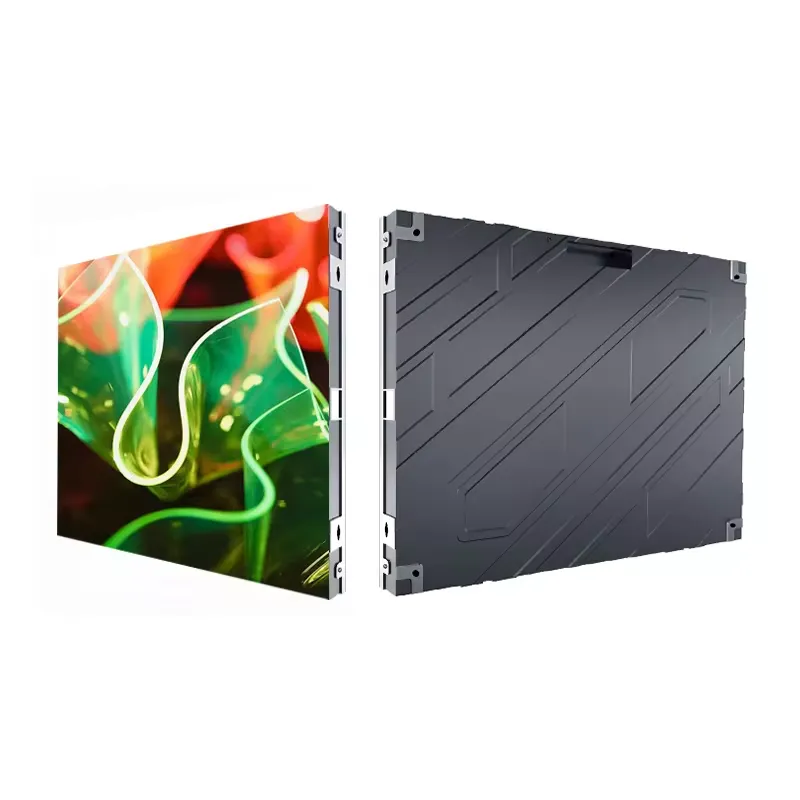
An LED display module mask is a protective and optical layer located on the front of an LED display module. It surrounds or separates individual LED pixels and helps control the direction and distribution of emitted light. Most masks are designed with a dark, low-reflective surface. This design helps absorb ambient light and prevents excessive light from spreading between pixels.

The result is a display with better pixel definition, deeper blacks, and improved perceived contrast.

How Does an LED Module Mask Improve Contrast?

1. Reduces Ambient Light Reflection

Ambient light can reflect from the surface of an LED display, making dark areas appear gray or washed out. This is particularly noticeable when an LED screen is installed outdoors or in locations with strong artificial lighting. A dark-colored module mask absorbs more ambient light and reduces surface reflections. As a result, black areas remain darker, creating a stronger visual difference between bright and dark content.

2. Minimizes Light Leakage Between Pixels

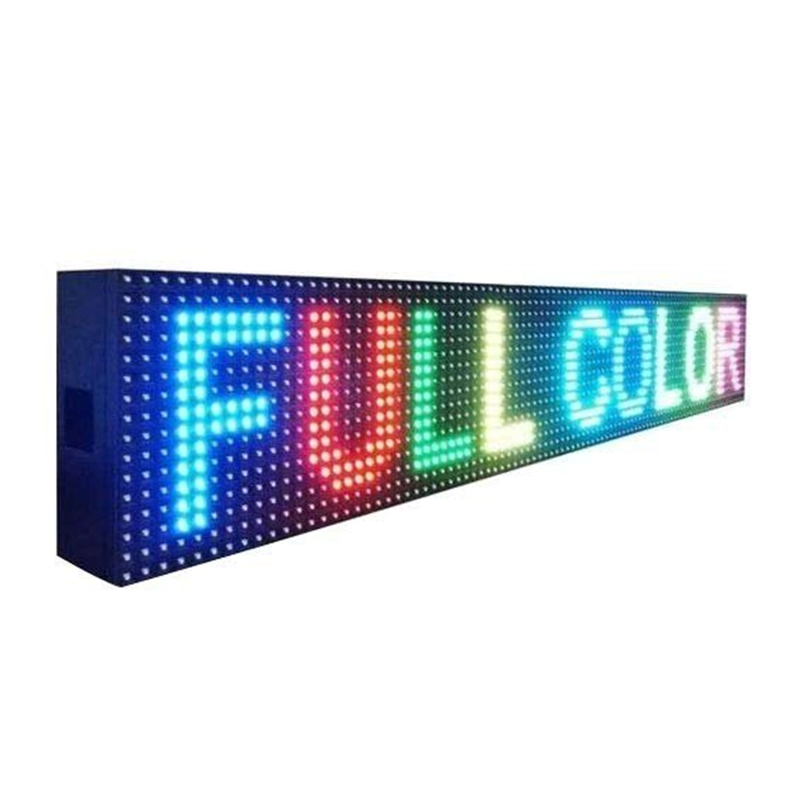
Light from one LED pixel can sometimes spread into neighboring areas. This unwanted light leakage can make images look less defined and reduce the separation between individual pixels. The mask creates physical separation around the LEDs, helping contain light within the intended pixel area. This improves pixel clarity and image sharpness, especially when displaying detailed graphics, text, or video.

3. Creates Deeper-Looking Blacks

True contrast depends not only on how bright the LEDs can become but also on how dark the unlit areas appear. Because a high-quality mask reduces reflected and scattered light, unlit areas can appear darker. This creates the perception of deeper blacks and gives images more depth.

4. Improves Visibility in Bright Environments

Outdoor LED displays face a major challenge: sunlight. Even a high-brightness LED screen can lose perceived contrast when direct or indirect sunlight reflects from its surface. An appropriately designed mask helps reduce this effect by absorbing ambient light and limiting reflections. This allows content to remain more visible and readable throughout the day.

5. Controls Light Distribution

The geometry of the mask can also influence how light travels from the LED. By controlling the angle at which light leaves each pixel, the mask can reduce unwanted optical interference and improve image uniformity. This is especially useful for applications where viewers may observe the display from different angles. Why Contrast Matters in LED Displays

High contrast makes an LED display easier to read and more visually impactful. It helps separate foreground elements from backgrounds and allows colors and details to appear more clearly. For example, white text on a dark background will generally look sharper when the display has good perceived contrast. Similarly, videos can appear more detailed because darker scenes retain better separation between different shades.

Choosing the Right LED Module Mask

Not all LED masks provide the same optical performance. When selecting an LED display module, consider factors such as mask color, surface finish, aperture design, pixel pitch, and overall module construction. A black, matte, low-reflectivity mask is commonly preferred when improving perceived contrast is a priority. However, the ideal design depends on the display's brightness, viewing distance, installation environment, and intended application. It is also important to consider the balance between contrast and viewing angle. A mask designed to control light too aggressively may affect how the display looks from wider viewing positions.

LED Module Mask and Overall Display Performance

A module mask is only one part of an LED display's optical system. Contrast also depends on LED quality, brightness, pixel pitch, driving technology, cabinet design, and environmental conditions. However, a well-designed mask can make a noticeable difference by controlling unwanted light and reducing reflections at the pixel level. This is why the mask should not be considered merely a cosmetic or protective component. It is an important part of LED display optical performance.

Conclusion

An LED display module mask plays an important role in improving perceived contrast and overall image quality. By reducing ambient-light reflection, minimizing light leakage, controlling light distribution, and helping unlit areas appear darker, the mask allows LED displays to produce clearer and more impactful visuals. For businesses and display manufacturers looking to achieve better performance, choosing the right module mask can be an important step toward creating a display that remains sharp, readable, and visually impressive—even in challenging lighting conditions.