LED Modules (Pixels & Diodes)
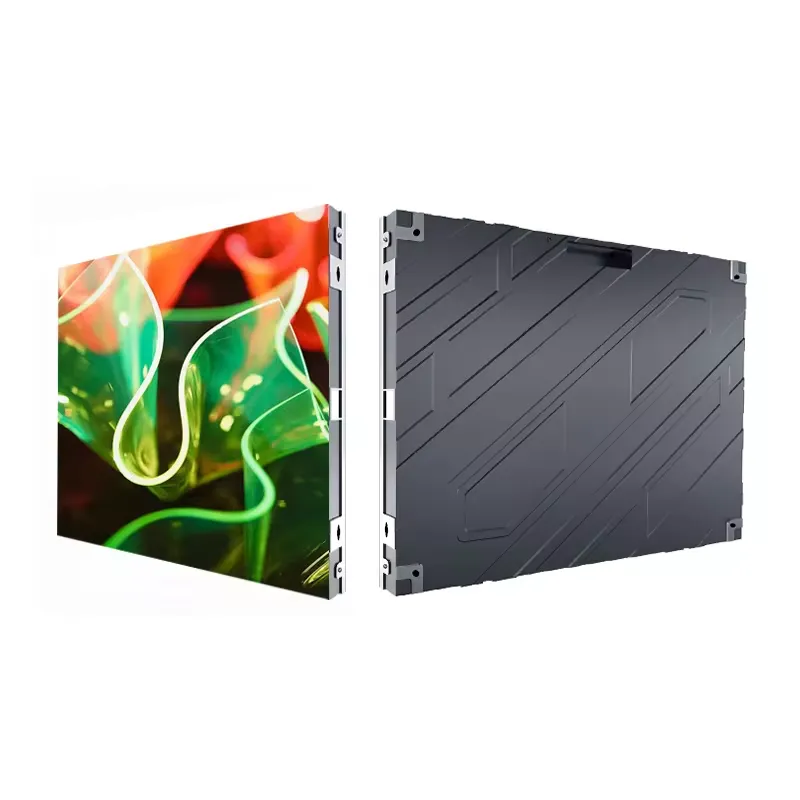
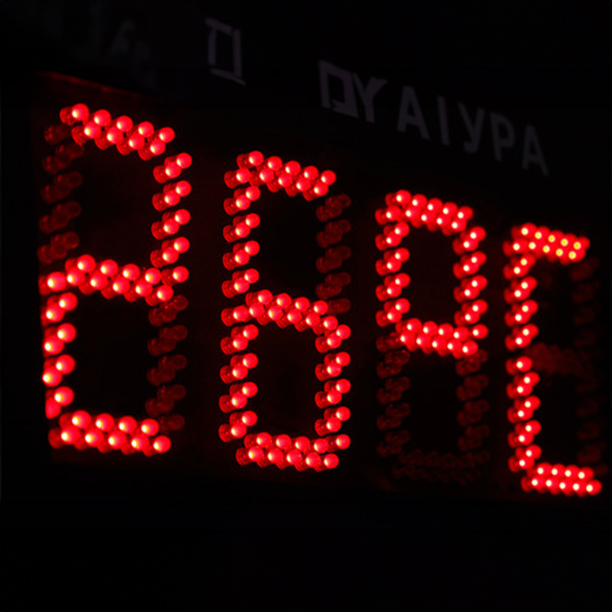
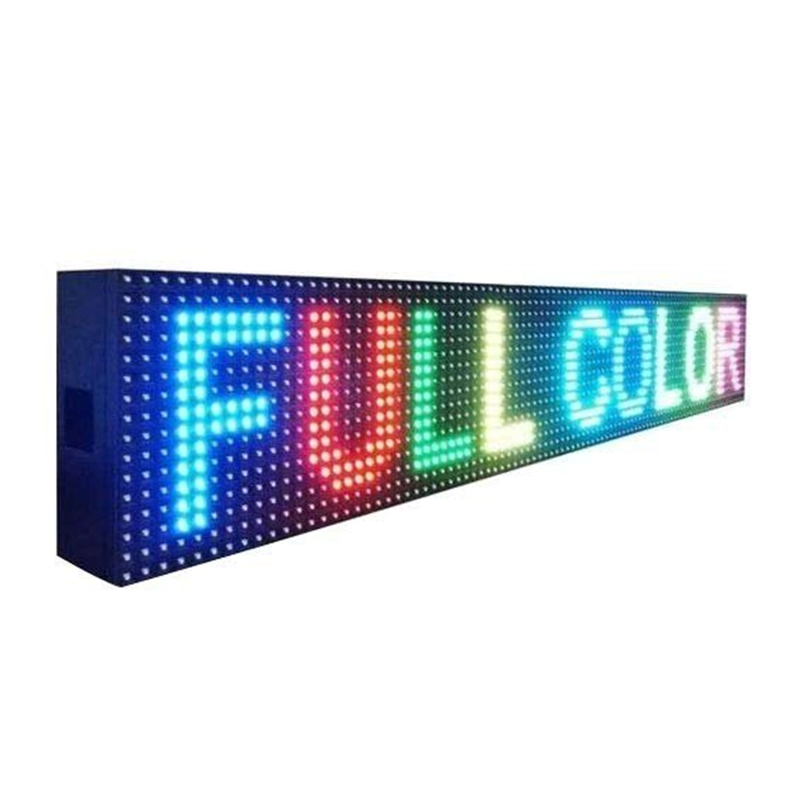
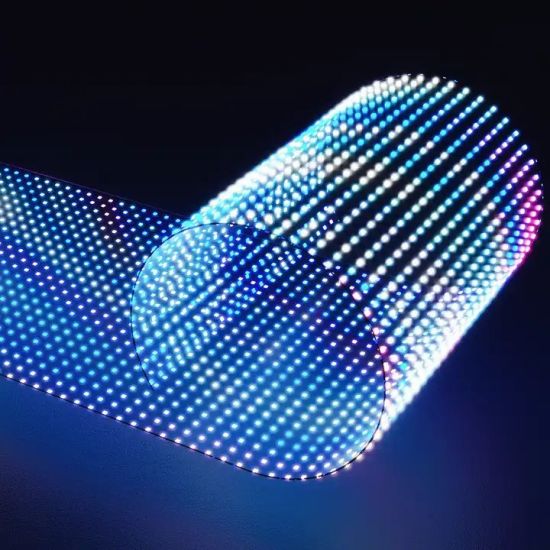
At the heart of every LED screen are the LED modules. These modules contain thousands of tiny Light Emitting Diodes (LEDs) arranged in precise patterns to create individual pixels. Each pixel typically consists of red, green, and blue diodes (RGB), which blend to produce millions of color combinations. The clarity and sharpness of the display depend heavily on the quality and density (pixel pitch) of these modules.
Driving ICs (Integrated Circuits)
The driving ICs are responsible for controlling the brightness, refresh rate, and color balance of the LEDs. They interpret the incoming signal and regulate how each diode behaves. High-quality ICs ensure smoother transitions, flicker-free visuals, and energy efficiency, which are crucial for both indoor and outdoor applications.
Control System (Receiving & Sending Cards)
The control system acts as the brain of the LED display. Sending cards transmit data from the source (computer, media player, etc.) to the screen, while receiving cards decode this information and instruct the LEDs accordingly. This system ensures that the content is displayed accurately and in real-time.
Power Supply Units (SMPS)
An efficient power supply is critical to keep the LED screen functioning optimally. Switch Mode Power Supplies (SMPS) convert electrical power to the correct voltage levels needed by different components, ensuring stability and energy efficiency. A reliable power supply extends the lifespan of the entire display system.
Cabinet or Frame Structure
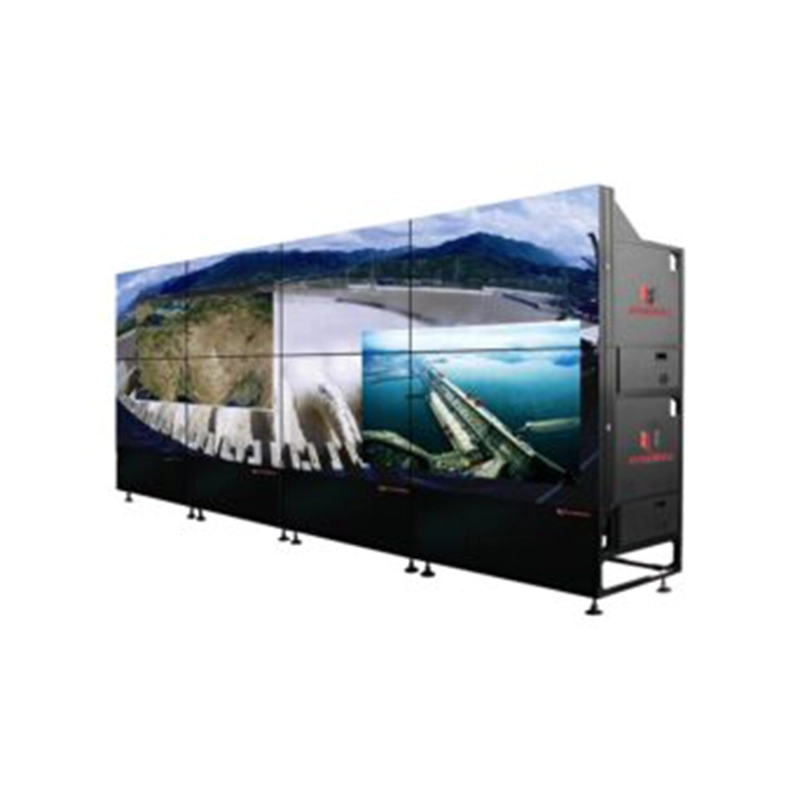
The cabinet is the protective framework that houses the LED modules, wiring, and power supplies. It provides mechanical strength, weather protection (especially for outdoor screens), and ensures easy installation and maintenance. Cabinets can be made of materials like aluminum, steel, or die-cast magnesium, depending on the application.
Data & Power Cables
Internal data and power cables connect various parts of the screen, ensuring seamless signal transmission and consistent power delivery. High-quality cabling prevents signal loss, interference, and power fluctuations, which can otherwise affect display performance.
Cooling Systems
LED screens generate heat, especially in high-brightness outdoor models. Integrated cooling systems, like heat sinks or fans, help dissipate heat, protecting the electronic components and maintaining optimal performance even in harsh condition
Conclusion:
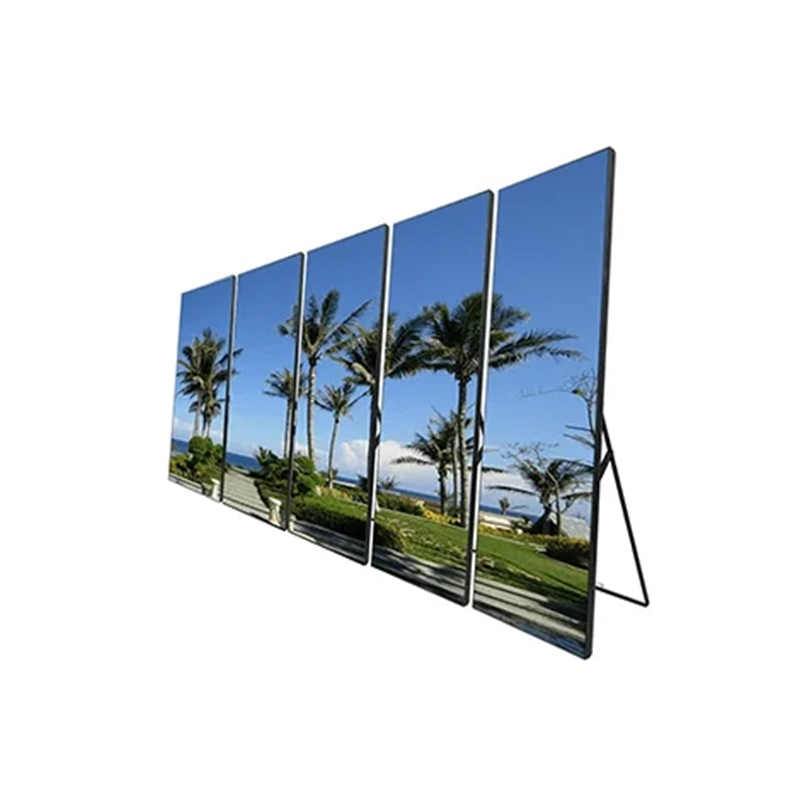
An LED screen might appear sleek and simple on the surface, but it’s a culmination of advanced technology and precise engineering. From tiny LED diodes to sophisticated control systems and robust frames, each component is essential to creating the stunning visuals we rely on for entertainment, advertising, and communication.
Understanding these components can help buyers, technicians, and businesses make informed decisions when investing in LED display technology.