Best Digital Signage Ideas for Restaurants and Cafes to Boost Sales

The restaurant and cafe industry is incredibly fast-paced. Between managing shifting morning and evening menus, updating daily ingredient availability, and launching flash happy-hour specials, traditional print signage simply cannot keep up.
Modern food and beverage venues are turning to digital signage to eliminate recurring print costs, streamline operations, and directly drive sales. Whether you operate a cozy neighborhood coffee shop or a high-volume fast-casual franchise, deploying digital screens can transform your customer experience.
Here are the top digital signage ideas and strategies that modern restaurants and cafes are using to boost order values and keep diners coming back.

1. Dynamic Digital Menu Boards with Dayparting
The most fundamental use of digital signage in food service is the digital menu board. However, the real power lies in a feature called dayparting—programming your screens to automatically shift content based on the time of day.
The Morning Rush (6:00 AM – 11:00 AM): Program your screens to feature high-margin espresso drinks, breakfast combos, and quick grab-and-go items to accelerate line speed.
The Midday Pivot (11:00 AM – 3:00 PM): The breakfast items instantly disappear, replaced by hearty lunch specials, combo deals, and refreshing cold beverages.
Late Night / Happy Hour (4:00 PM – Close): Shift the spotlight to appetizers, desserts, craft beers, or signature cocktails to drive up evening checks.
Operational Bonus: If an ingredient runs out in the kitchen, managers can instantly update the menu board via a smartphone app or content management system (CMS), removing the item or marking it “Sold Out” before customers stand in line to order

2. High-Impact Visual Upselling (The “Steam Effect”)
Static images of food are fine, but cinematic, high-definition video loops trigger an immediate sensory and psychological response in a hungry customer.
Instead of a standard photo of a burger or a cup of coffee, use subtle video content on your screens:
A slow-motion close-up of syrup dripping down a stack of pancakes.
Heat and steam rising off a freshly poured bowl of ramen or a hot latte.
Crisp, high-contrast video of a cold soda fizzing with ice cubes popping on a hot summer afternoon.
Placing these ultra-bright, vivid video loops directly next to high-margin add-ons (like upgrading to a large size, adding extra avocado, or pairing a pastry with coffee) provides the final visual nudge needed to trigger an impulse purchase.

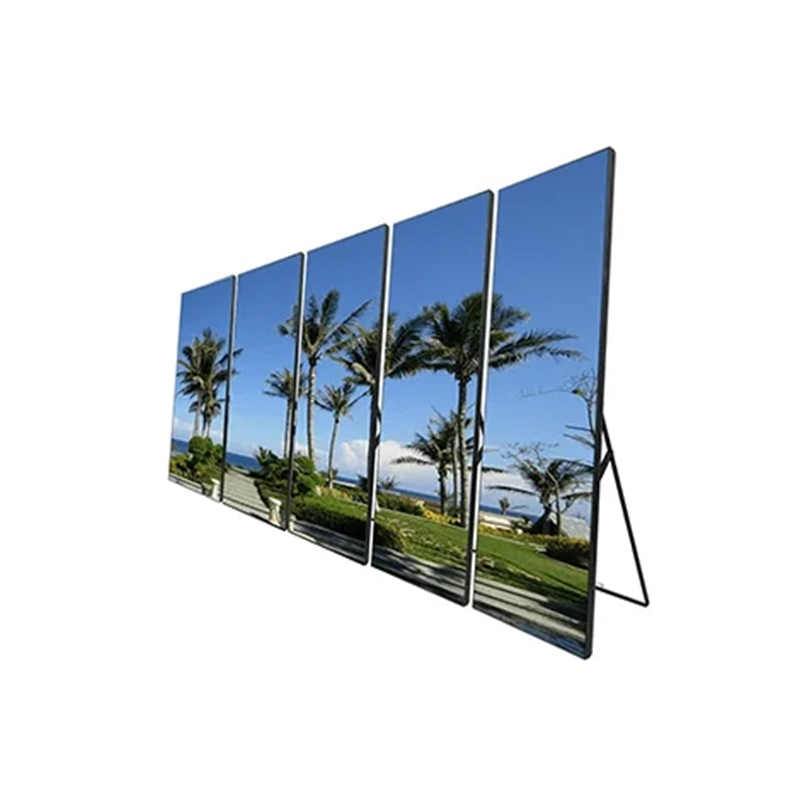
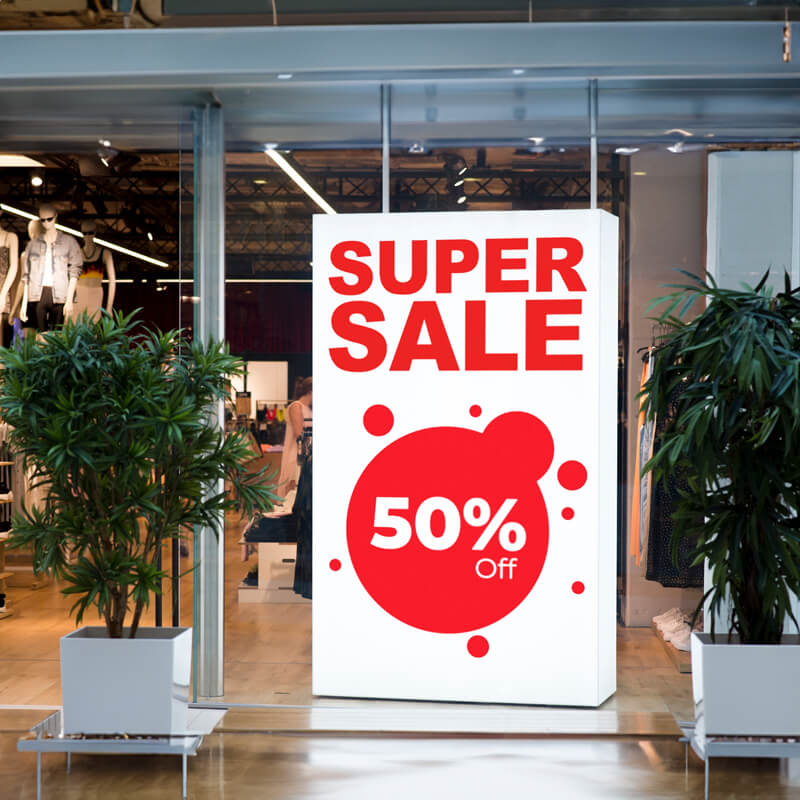
3. Sidewalk Catching: High-Brightness Window Displays The battle for a customer’s attention begins before they ever step foot into your restaurant. If your cafe sits on a busy street or inside a crowded shopping center, a traditional chalkboard or printed poster will easily get lost in the noise. Using a high-brightness storefront display cuts right through ambient sunlight glare. Promote Foot Traffic: Use these outward-facing screens to display current chef specials, seasonal drinks (like pumpkin spice lattes in autumn), or a rotating stream of positive Google and Yelp reviews. Interactive QR Codes: Display a prominent QR code on the glass during closed hours, allowing late-night pedestrians to scan the screen, view your full menu online, or pre-order for the following morning.

4. Social Media Ticker Walls & User-Generated Content Modern diners love taking photos of their food before they eat it. Capitalize on this free marketing by turning your indoor digital signage into an interactive social media hub. By integrating a live social wall app into your display software, you can feature a curated feed of your restaurant's custom hashtag (e.g., #YourCafeName). When a customer posts a beautiful photo of their latte art or an aesthetically pleasing brunch plate on Instagram, their post can appear live on the store's screen within minutes. This creates a powerful loop of social proof, encourages more shoppers to share your food on their personal feeds, and makes your dining room feel incredibly communal and modern.

5. Integrating Live Waiting Lists and Order Tracking Long queues and chaotic pickup areas are major friction points that can ruin an otherwise great dining experience. Digital signage can double as an operational utility to ease customer anxiety during peak hours. Fast-Casual / Cafes: Instead of yelling names over a loud espresso machine, use a designated side screen linked to your Point-of-Sale (POS) system to clearly track order status (e.g., "Preparing" vs. "Ready for Pickup"). Full-Service Restaurants: Integrate your host stand's digital waitlist (like OpenTable or Yelp Guest Manager) onto a lobby display screen. Waiting guests can track exactly where they stand in line without continuously crowding the host podium.

Conclusion: Digital signage transforms restaurant and cafe operations from static spaces into agile, visual sales engines. By leveraging dynamic strategies like time-scheduled dayparting, sensory video loops, and high-brightness window displays, food and beverage operators can eliminate printing overhead, streamline menu updates, and capture impulse purchases. Ultimately, replacing legacy print menus with interactive digital signage allows brands to seamlessly guide customer behavior, modernize their dining spaces, and directly drive up the average check size.