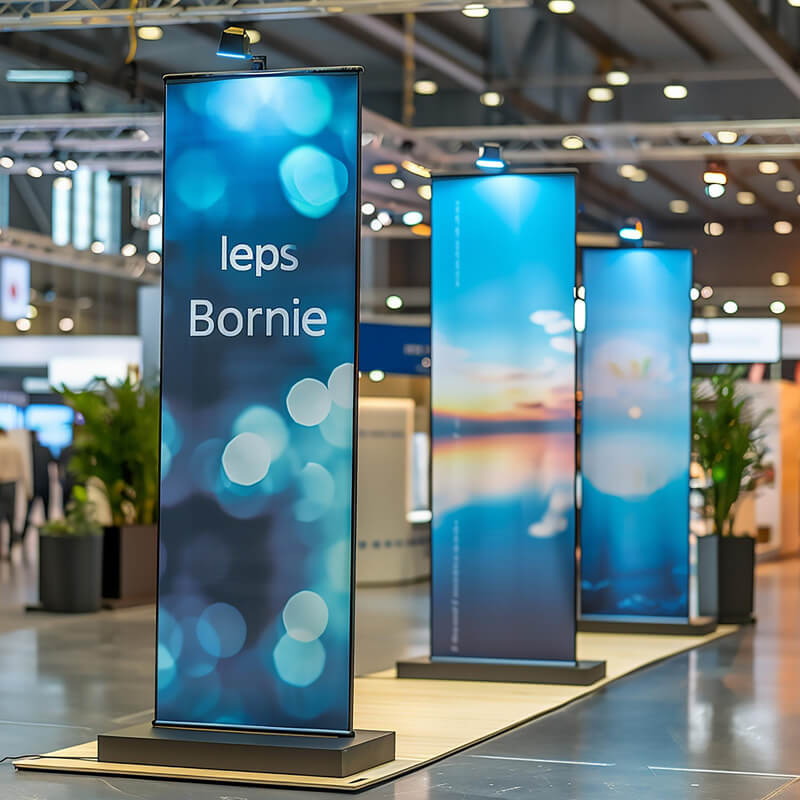
“LED Panels vs LED Videowalls: Breaking Down the Visual Tech Divide”

INTRODUCTION

LED Panels vs LED Videowalls: Breaking Down the Visual Tech Divide

In the fast-evolving world of display technology, terms like LED Panel and LED Videowall are often used interchangeably. But are they really the same thing? Not quite. Understanding the key differences can help businesses, event planners, and content creators choose the right solution for their needs. Let’s break it down.


What Is an LED Panel?

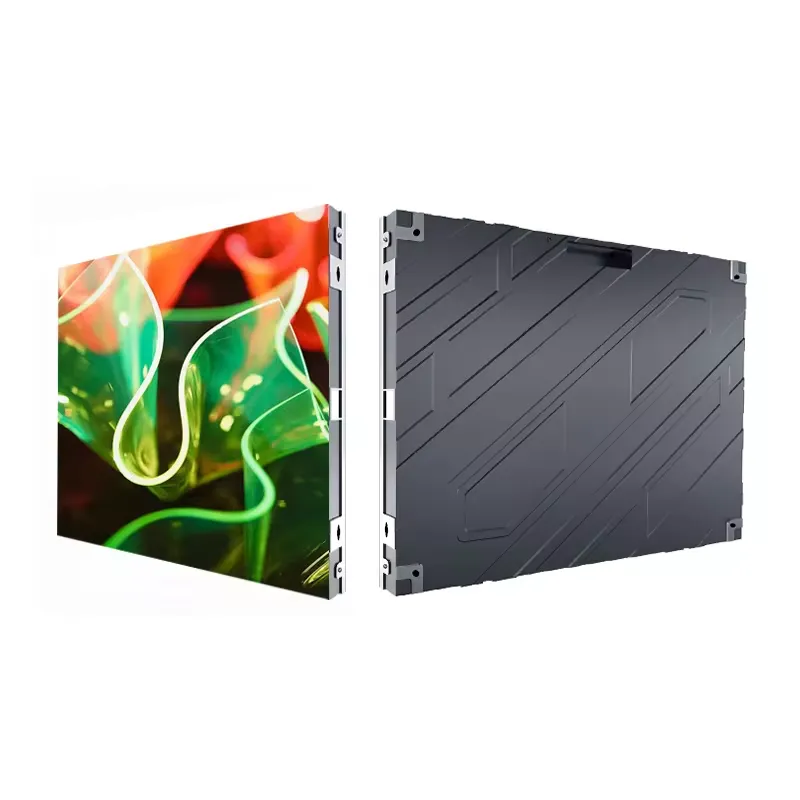
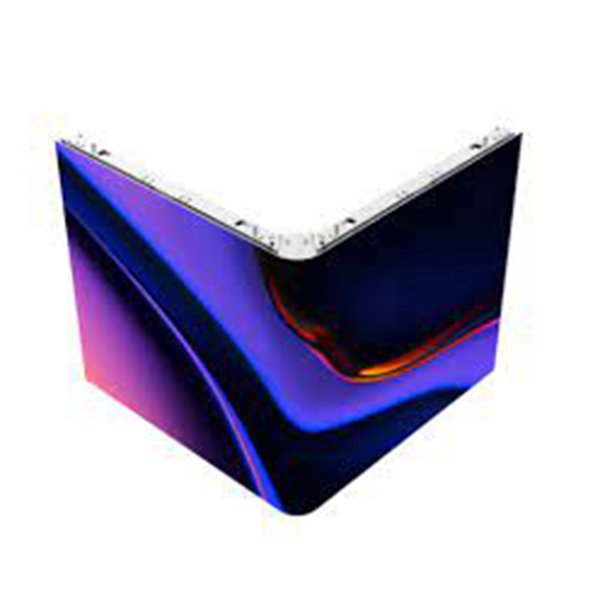
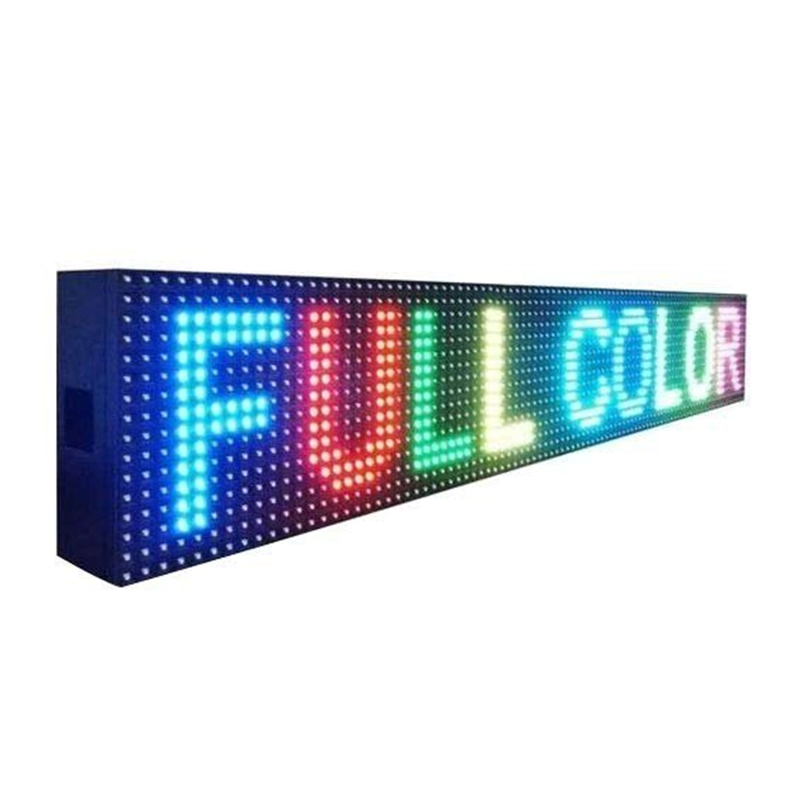
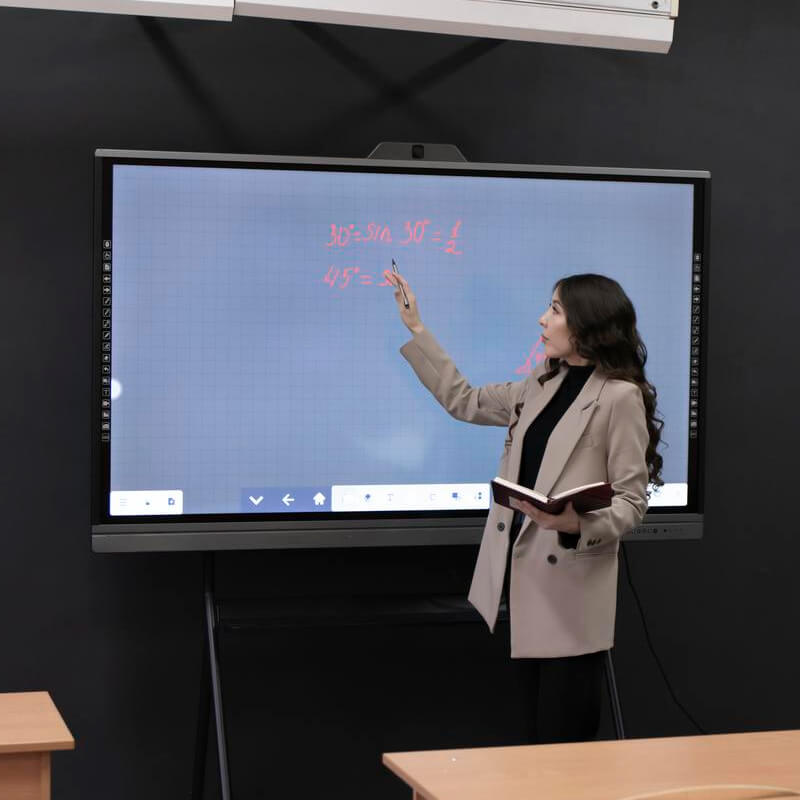
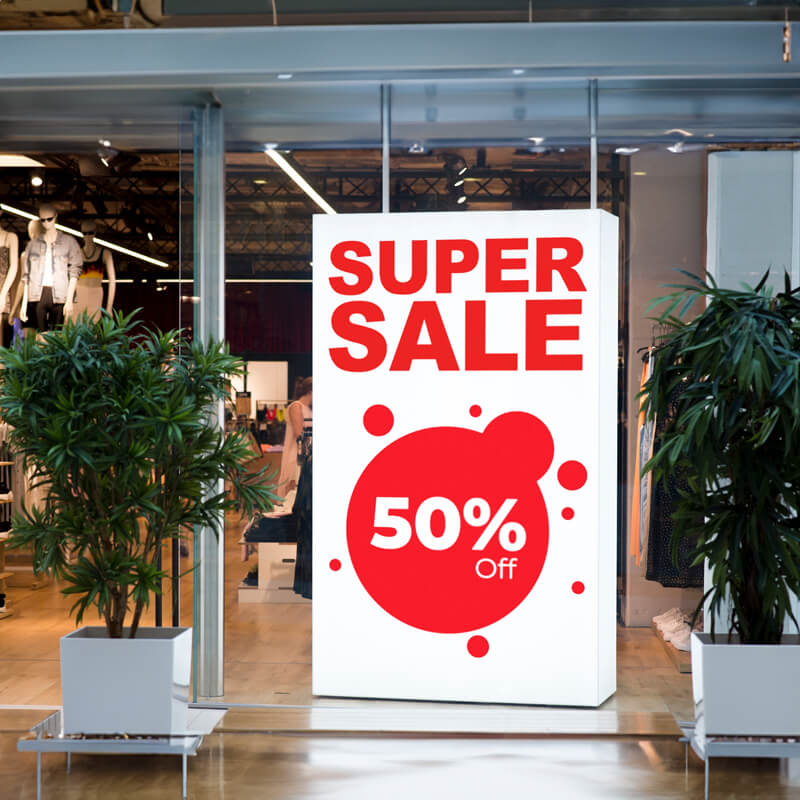
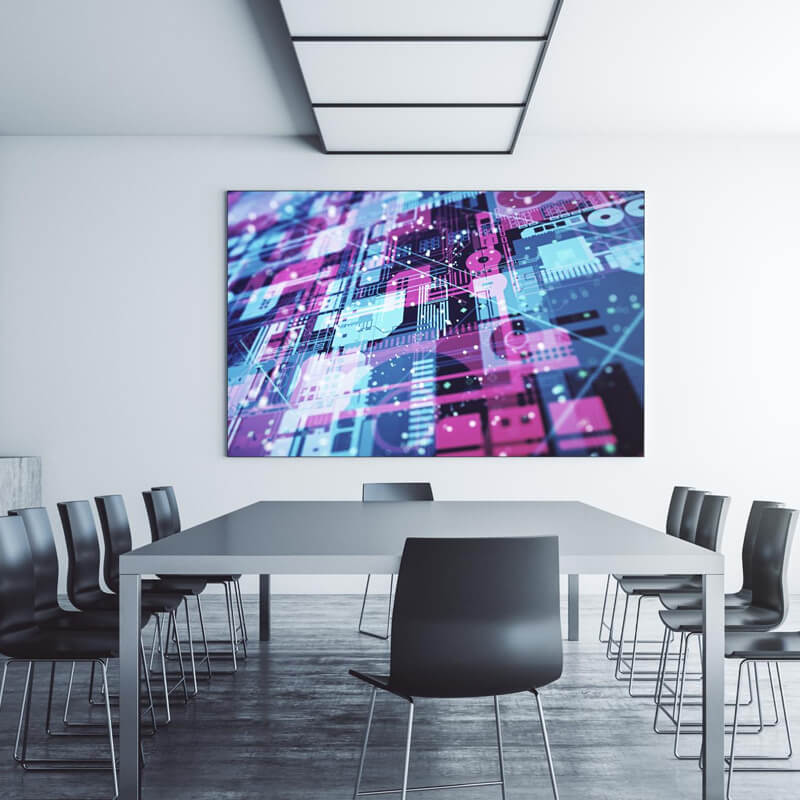
An LED panel is typically a single, standalone screen made up of light-emitting diodes (LEDs). These panels come in various sizes and resolutions and are often used for digital signage, retail displays, conference rooms, and indoor advertising.

They are slim, lightweight, and ideal for environments where space and aesthetics matter. LED panels can be backlit (like LCDs with LED backlights) or made entirely from LED matrices for better brightness and color contrast.

Common Uses:

  • Retail store displays

  • Office and corporate presentations

  • Menu boards in restaurants

  • Indoor advertising

What Is an LED Videowall?

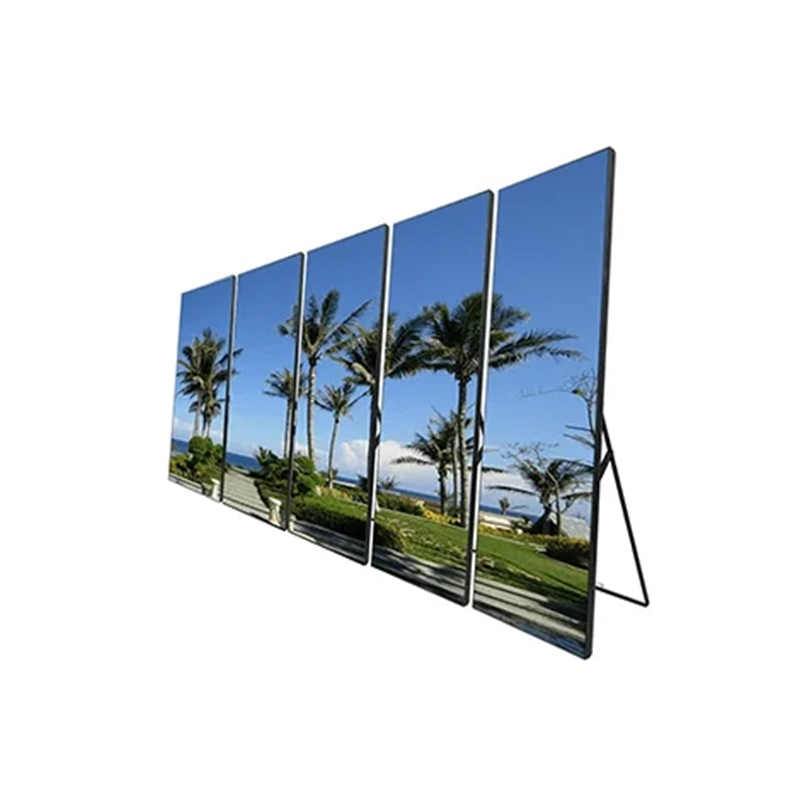
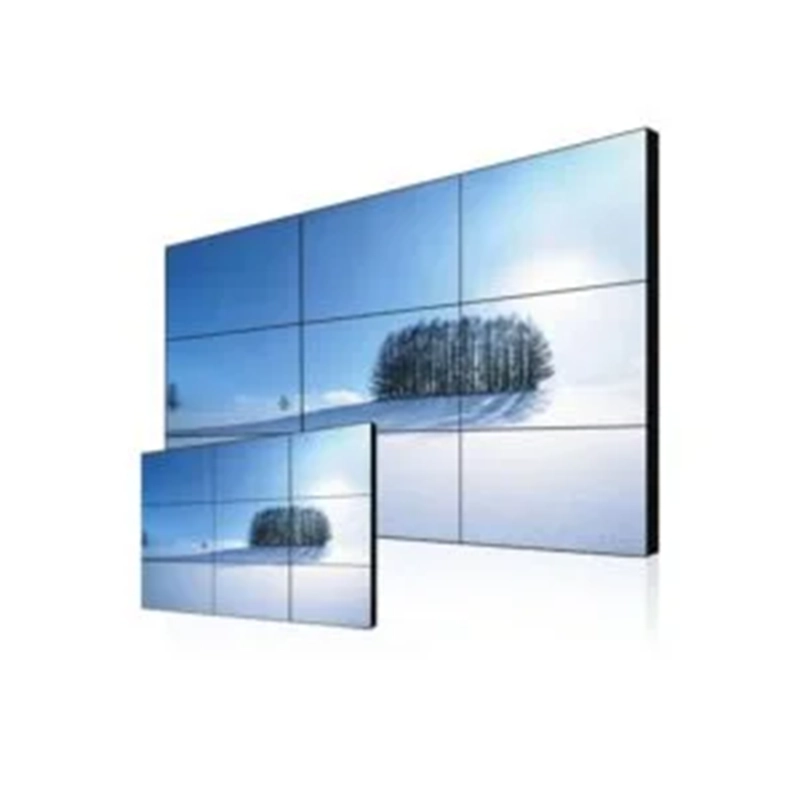
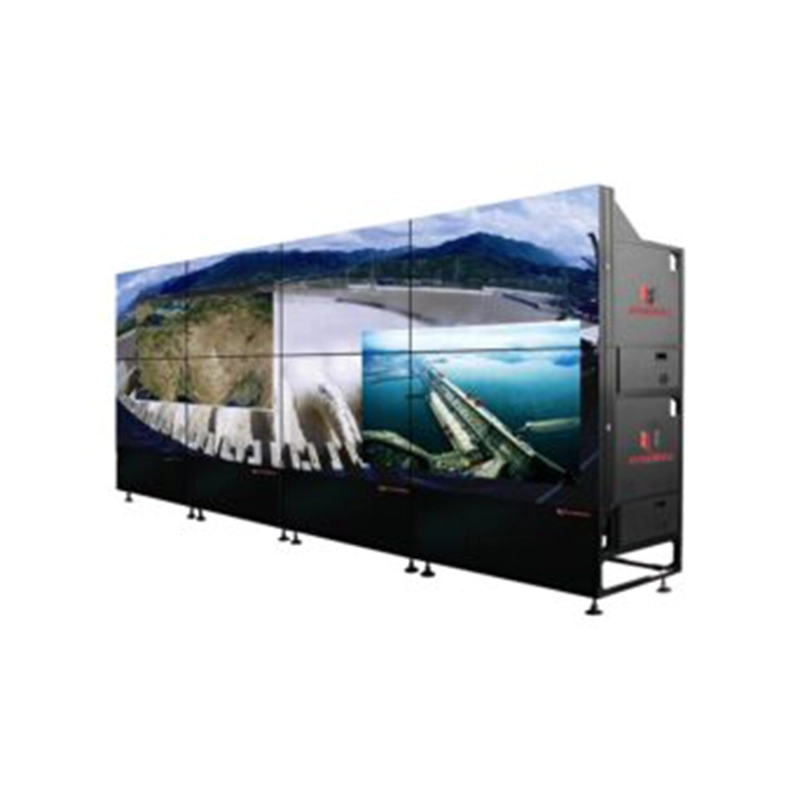
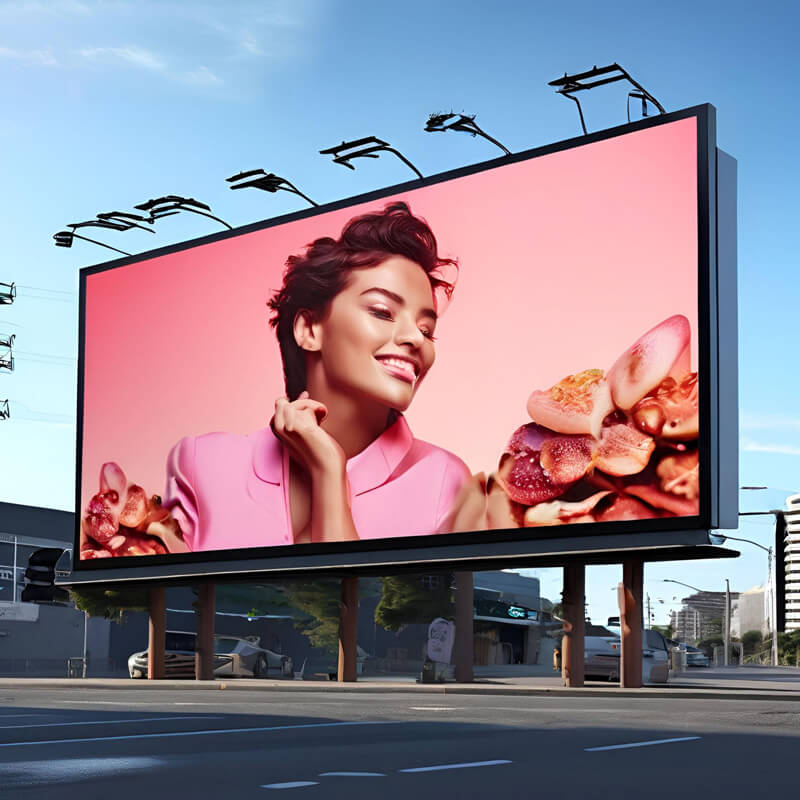
An LED videowall is a much larger system composed of multiple LED panels tiled together to form a single, seamless display. These are often used for large-scale applications where visual impact and screen real estate are key—think concerts, stadiums, public installations, and broadcast studios.

Unlike traditional projector setups or tiled LCD screens with bezels, LED videowalls provide a bezel-free, high-resolution experience even from a distance.

Common Uses:

  • Concerts and live events

  • Sports arenas

  • Outdoor billboards

  • Control rooms and public display systems

Feature

LED Panel

LED Videowall

Size

Typically standalone, smaller

Made up of multiple panels, much larger

Usage

Small to mid-scale environments

Large-scale displays and events

Installation

Easy and compact

Requires professional setup

Maintenance

Low maintenance

More complex due to size and connections

Cost

Lower investment

Higher cost due to scale and infrastructure

Resolution

High for its size

Depends on panel type and pixel pitch

Choosing the Right Option

Your choice depends on the purpose, location, and audience.
If you’re running a retail campaign in a mall, LED panels will do the job with clean visuals and minimal fuss. But if you’re organizing a music festival or displaying real-time information across a city square, an LED videowall is your go-to for maximum impact.

Final Thoughts

Though built on similar technology, LED panels and LED videowalls serve different goals. One is ideal for focused, smaller-scale content delivery; the other is built for massive engagement and visibility. Knowing the difference helps you invest smartly—and impress deeply.