INTRODUCTION
In the evolving world of digital signage, LED displays have become the go-to choice for everything from concerts and stadiums to retail stores and outdoor billboards. However, one important consideration when choosing an LED display is whether to go for a cabinet-less design or one that includes a cabinet structure. Each has its advantages and challenges, and understanding these differences can help you make a better investment for your project.
Understanding the Basics
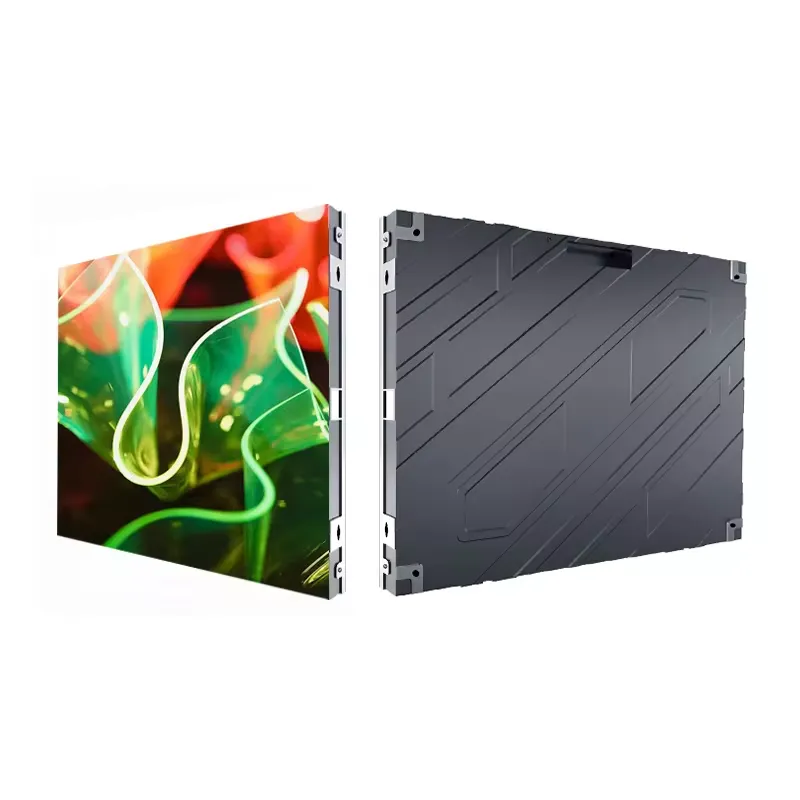
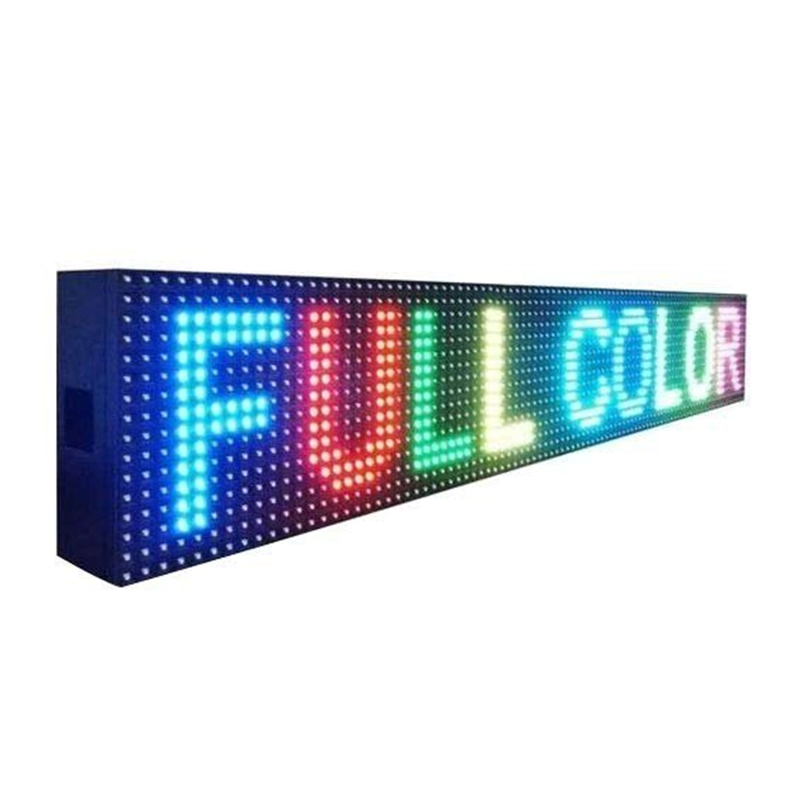
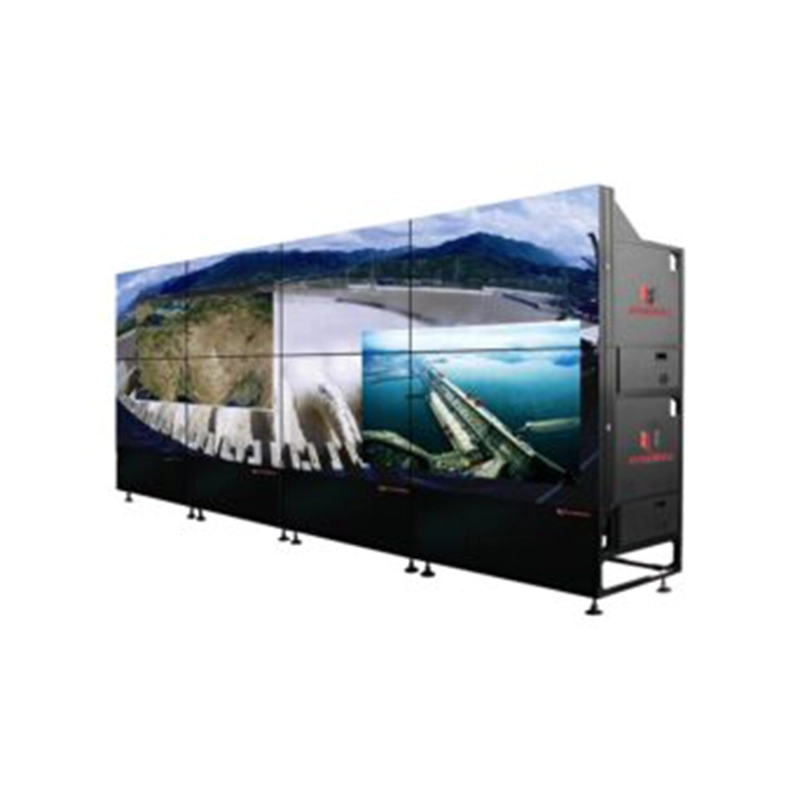
A cabinet-based LED display is a modular structure that houses LED modules within a framed cabinet, often made of materials like aluminum or steel. These cabinets offer protection, structure, and easy installation.
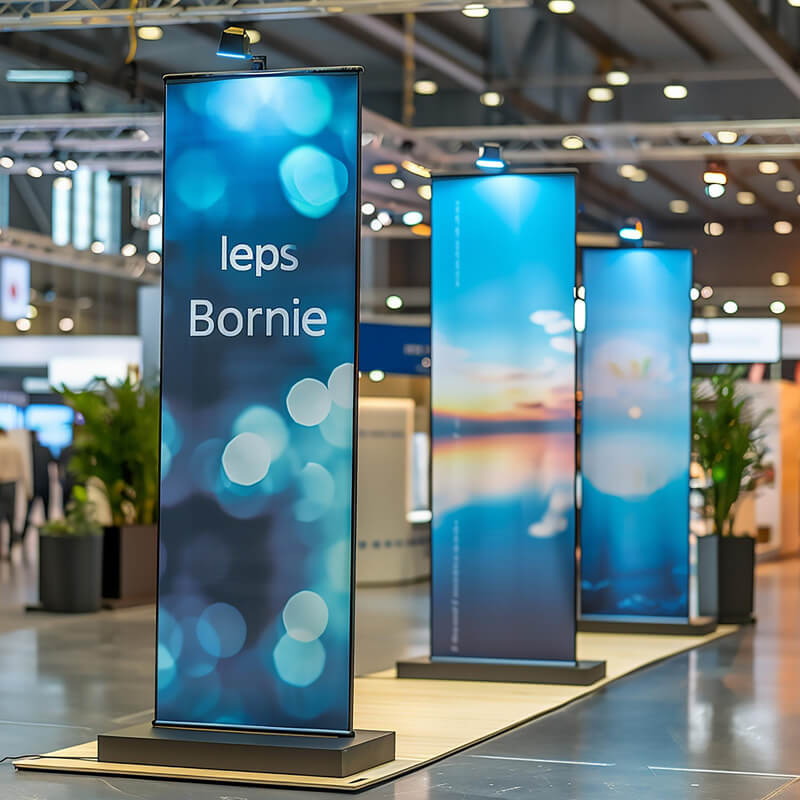
In contrast, a cabinet-less LED display does away with this extra framework. Instead, individual LED panels are mounted directly onto a structure or surface. This results in a lighter, thinner design, but with different implications for installation and durability.
Weight and Portability
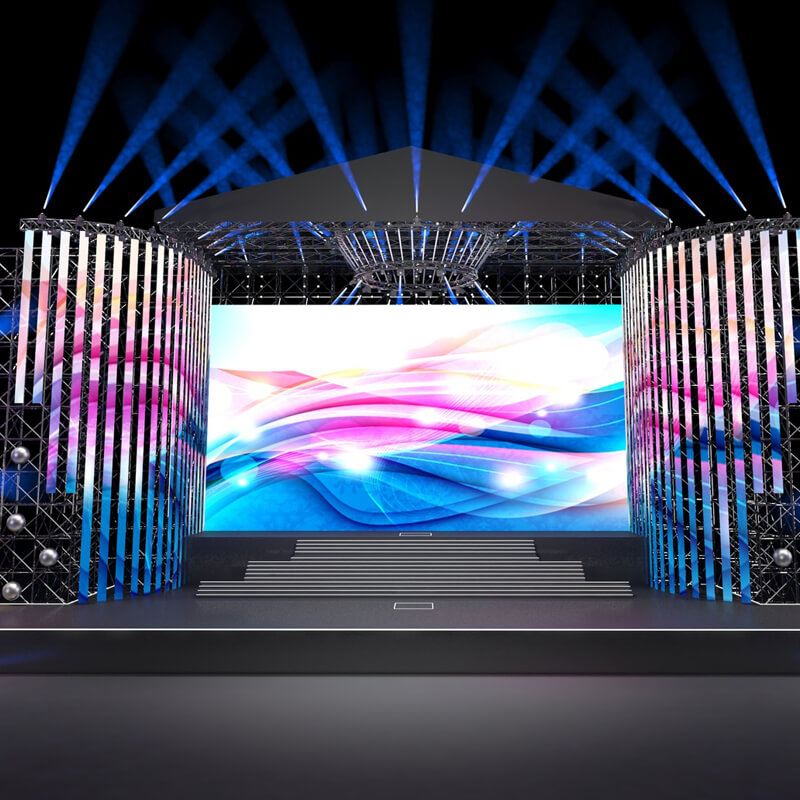
One of the main advantages of cabinet-less LED displays is their lightweight nature. Without the added bulk of a frame, these panels are easier to transport and install, especially in venues where mobility is key. This makes them ideal for temporary setups, such as exhibitions or stage backdrops.
Cabinet-based displays, on the other hand, are heavier and bulkier, which can be a limitation in certain installations. However, their solid structure provides more support and alignment precision.
Ease of Installation and Maintenance
Cabinet-based LED displays often win when it comes to ease of maintenance. Since the modules are housed within a cabinet, accessing internal components is straightforward. They also tend to have standardized sizes, making module replacement and servicing easier.
Cabinet-less displays can be trickier to install since they lack a unifying structure. Alignment and stability must be carefully managed, and maintenance can be more complex due to the exposed wiring and components.
Cooling and Heat Dissipation
The cabinet structure in traditional LED displays often includes built-in cooling solutions such as fans or heat sinks. This helps prevent overheating and extends the lifespan of the display.
In cabinet-less models, cooling must be managed differently. While the open design allows for better natural airflow, lack of active cooling can lead to issues in high-temperature environments or outdoor installations.
Cost Considerations
Generally speaking, cabinet-less LED displays can be more cost-effective, especially for smaller projects or indoor use. They require less material and offer savings on transportation and installation costs.
However, the long-term cost of maintenance and the need for careful installation may offset these savings. Cabinet-based displays might be more expensive upfront but can be more durable and reliable over time.
Final Thoughts
Both cabinet-less and cabinet-based LED displays offer unique advantages depending on your project’s needs. If mobility, lightweight design, and lower initial costs are key, cabinet-less displays may be the better choice. However, for longevity, stability, and structured maintenance, a cabinet-based system is hard to beat.
By evaluating your specific requirements—whether it’s indoor or outdoor, temporary or permanent—you can make a smarter decision that balances performance, cost, and practicality.