INTRODUCTION
In the fast-paced world of marketing, brands are constantly searching for innovative ways to capture audience attention. One of the most effective methods gaining momentum today is Digital Out-of-Home (DOOH) advertising. Unlike traditional billboards or posters, DOOH uses digital screens to display dynamic, real-time content in public spaces, transforming the way brands connect with consumers on the go.
What is DOOH Advertising?
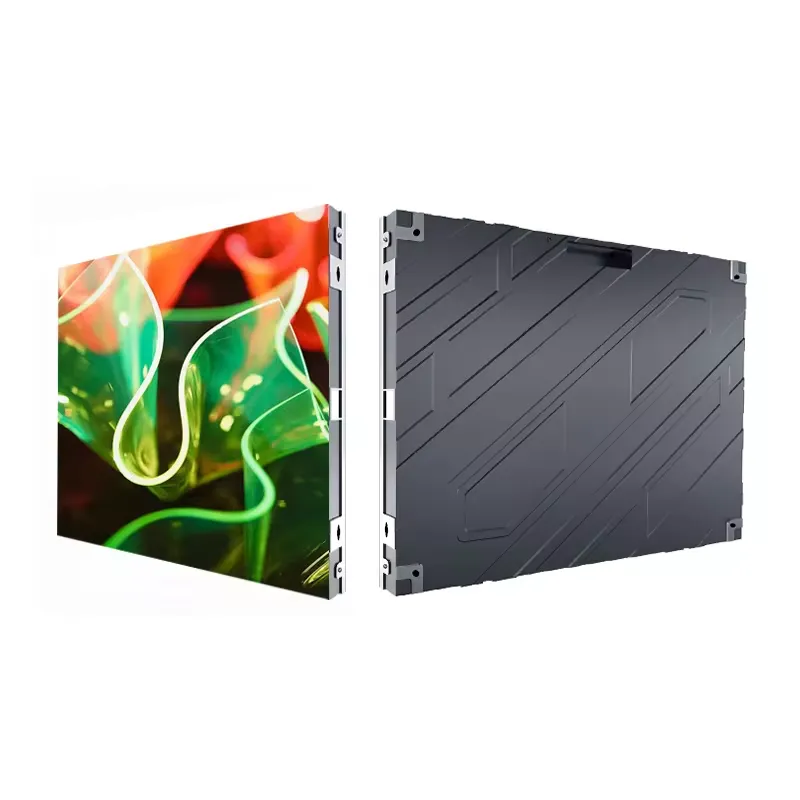
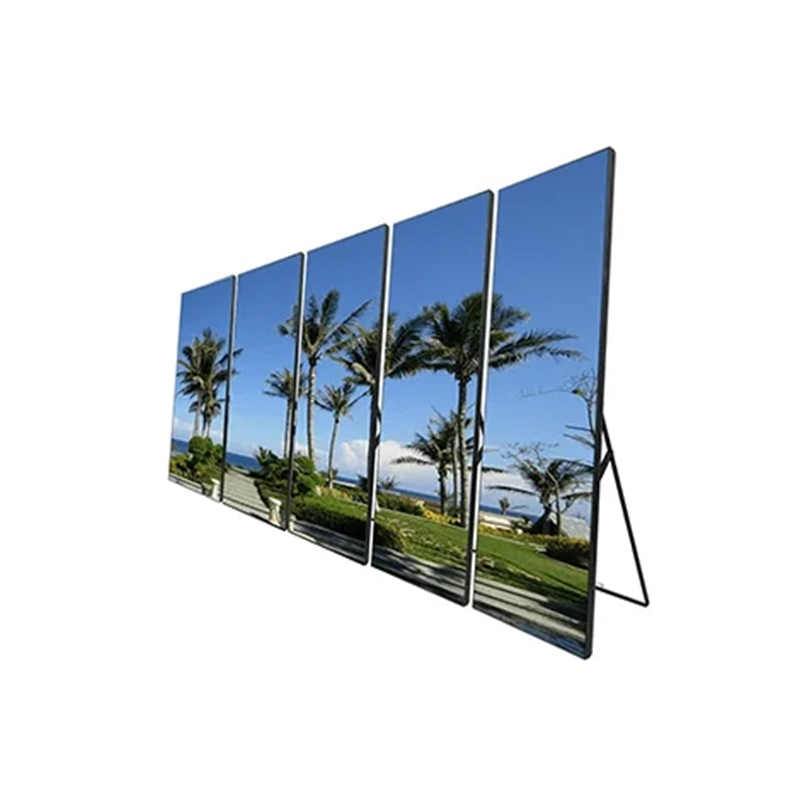
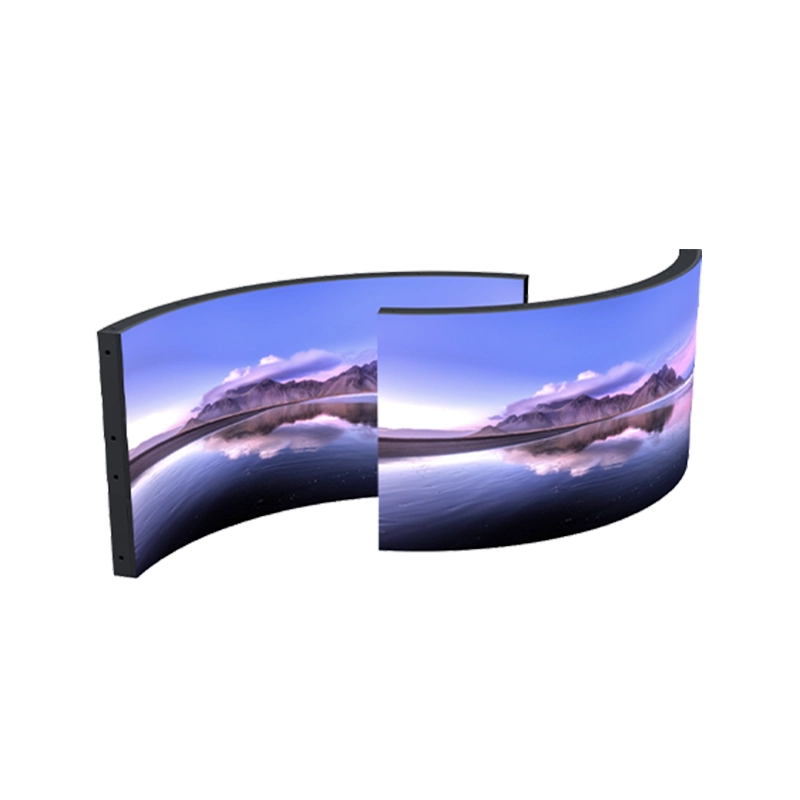
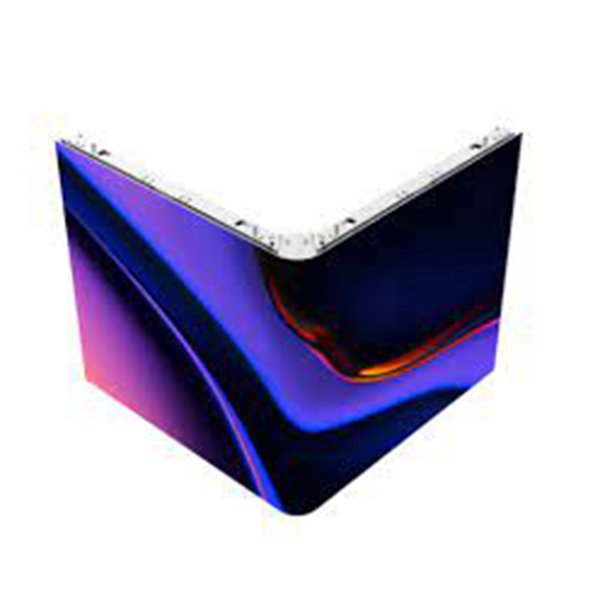
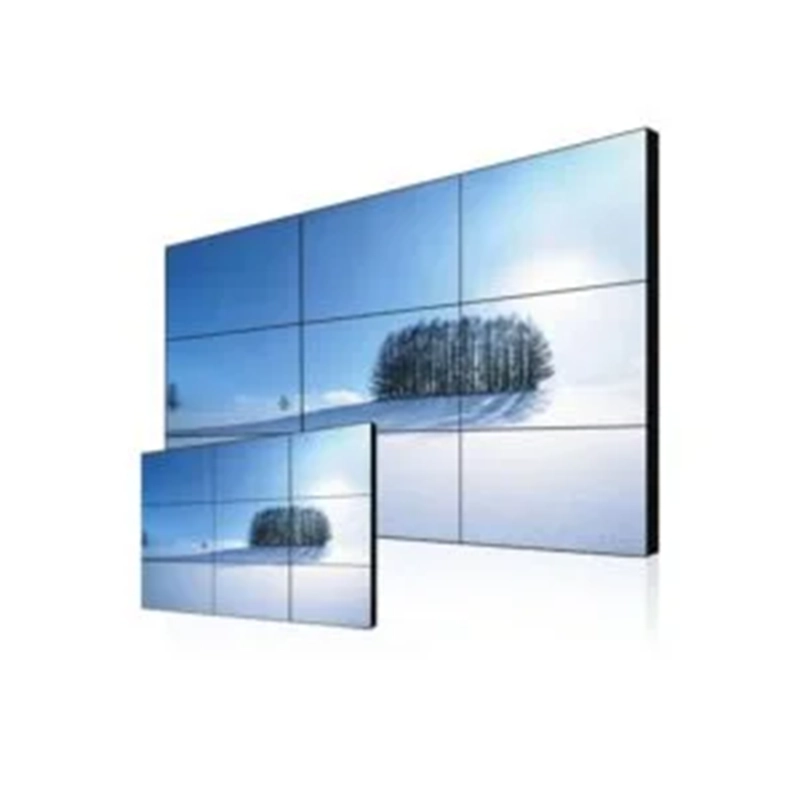
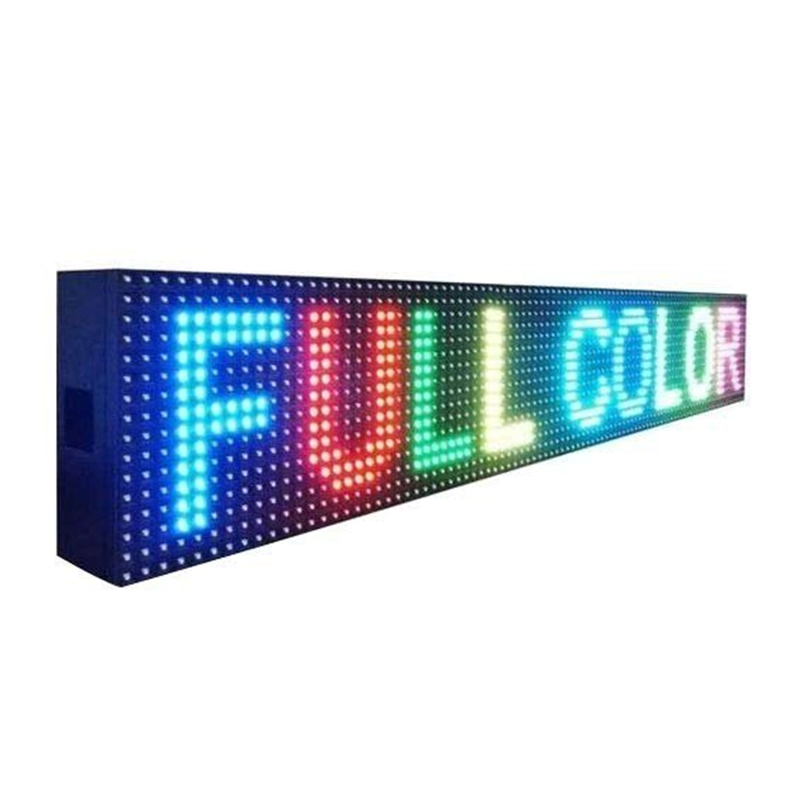
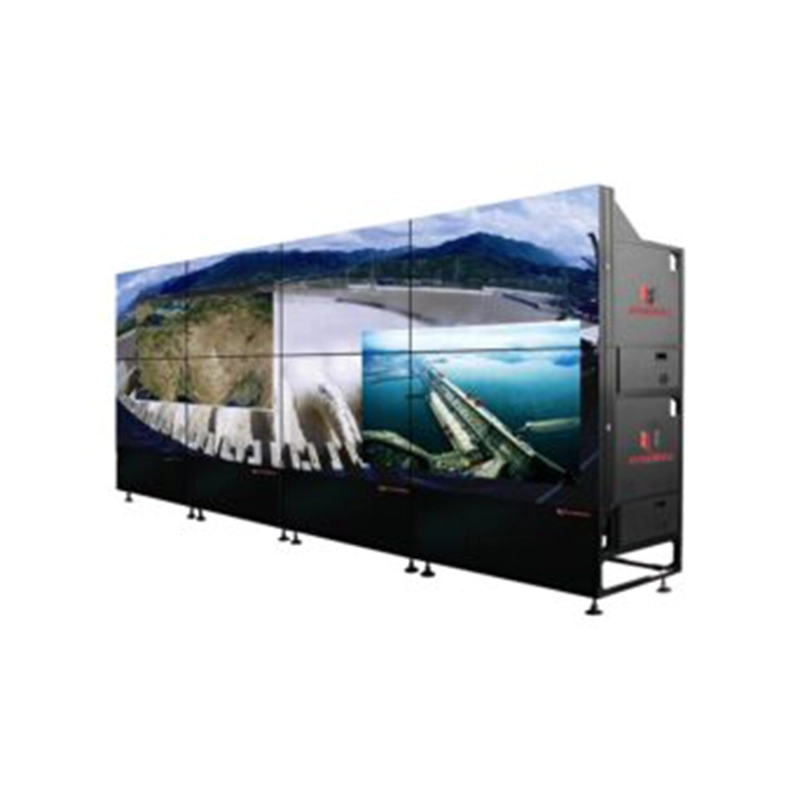
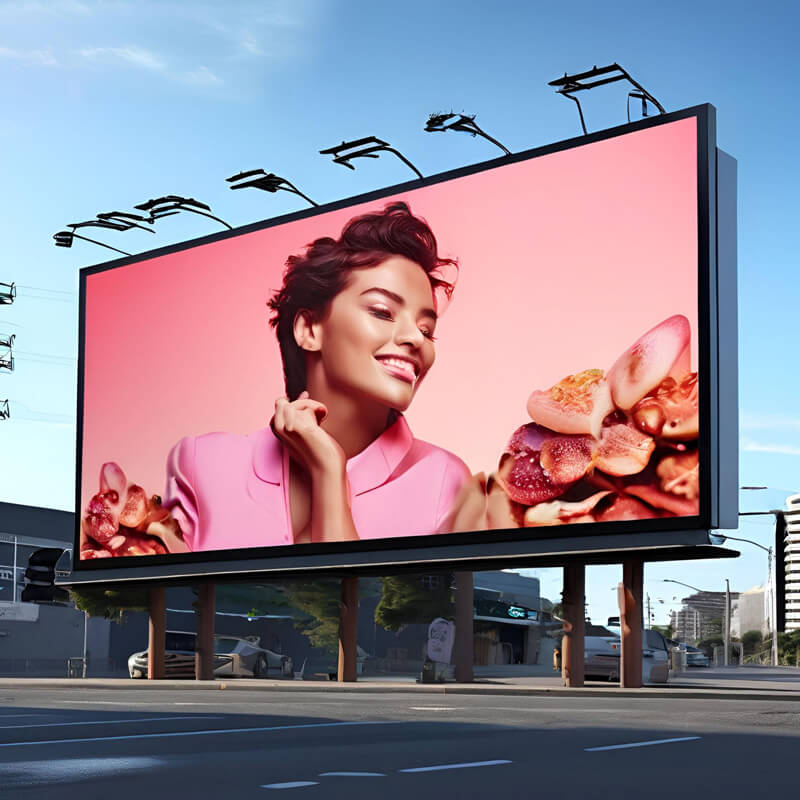
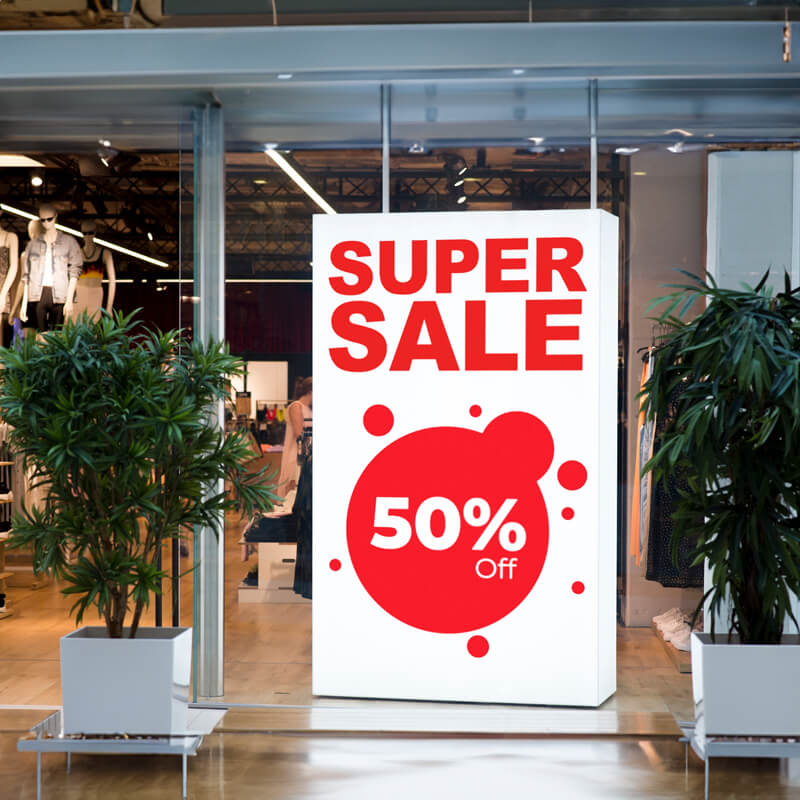
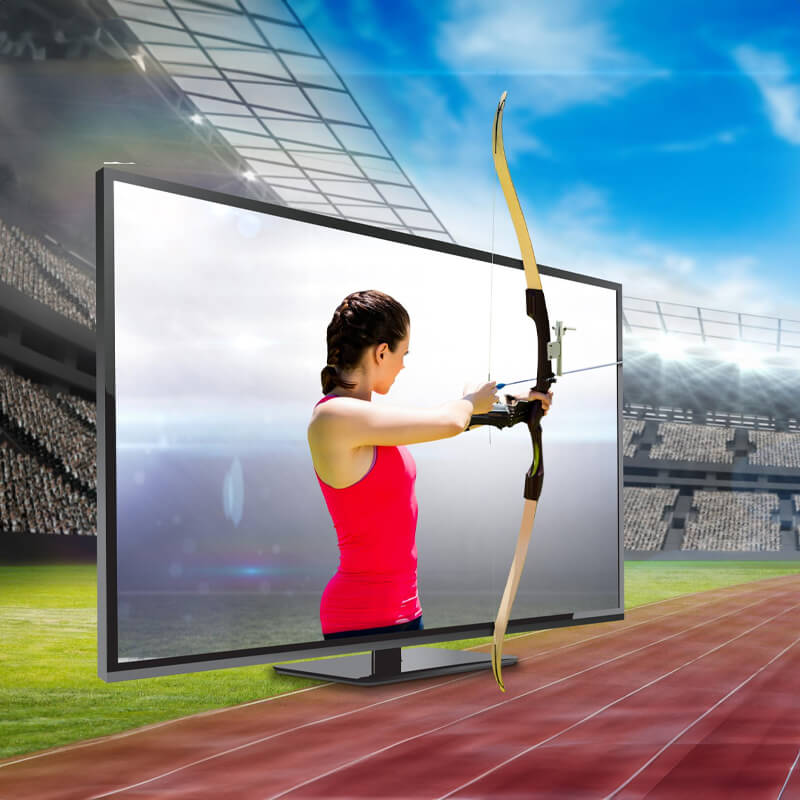
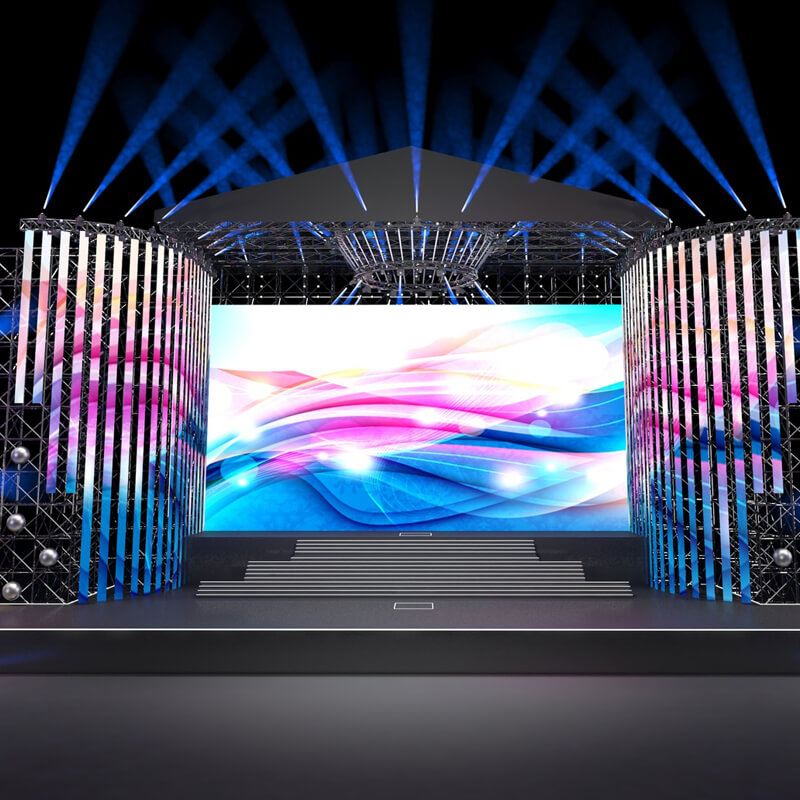
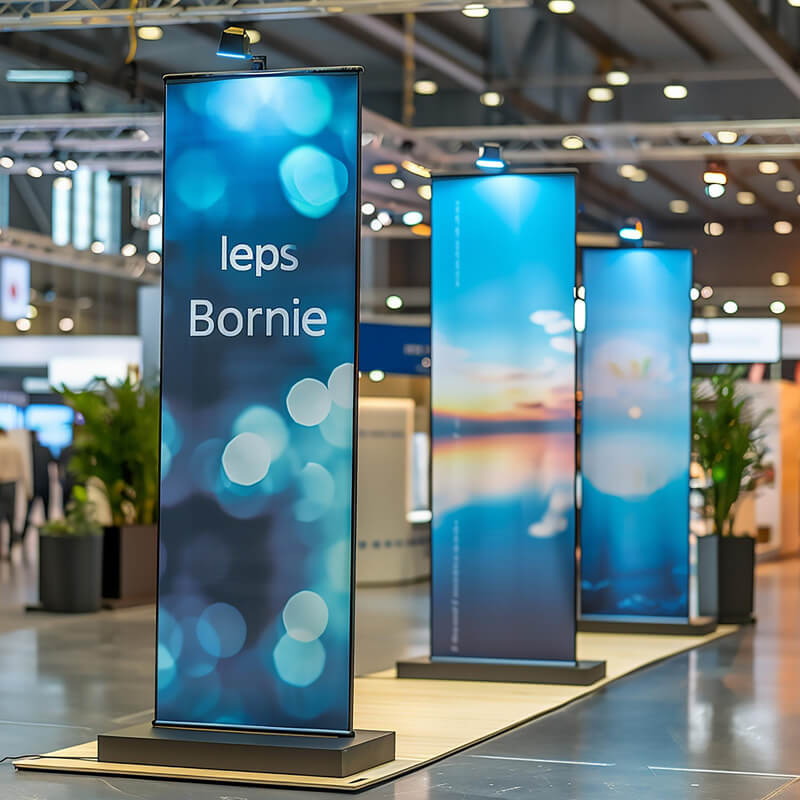
Digital Out-of-Home advertising refers to digital media displayed in outdoor public spaces. These can include LED billboards, digital screens in transit hubs, interactive kiosks, or even displays in shopping malls and stadiums. Unlike static print ads, DOOH allows advertisers to use motion graphics, video, and live data to create more engaging and targeted campaigns.
Why DOOH is Gaining Popularity
One of the biggest advantages of DOOH advertising is its ability to reach consumers in high-traffic locations. Whether it’s a busy highway, airport terminal, or bustling shopping center, digital displays ensure that brand messages are visible to large audiences throughout the day. Additionally, DOOH can be updated in real-time, allowing advertisers to change content based on time of day, weather conditions, or current events.
Furthermore, advancements in technology, such as programmatic advertising, have made DOOH campaigns more flexible and data-driven. Brands can now target specific demographics, adjust campaigns instantly, and measure the effectiveness of their advertisements more accurately than ever before.
Future of DOOH Advertising
As technology continues to evolve, the future of DOOH looks promising. Integration with mobile devices, AI-driven targeting, and interactive experiences are expected to become more common. With urban environments becoming more digitally connected, DOOH will play a crucial role in smart cities and the broader digital marketing ecosystem.
conclusion
In conclusion, Digital Out-of-Home advertising offers an exciting and effective way for brands to engage consumers in public spaces. With its ability to deliver dynamic, real-time content and target specific audiences, DOOH is transforming the advertising landscape for the better.