










Unlocking the Future of Display Technology: How Flip Chip LEDs Are Transforming LED Panels

Introduction

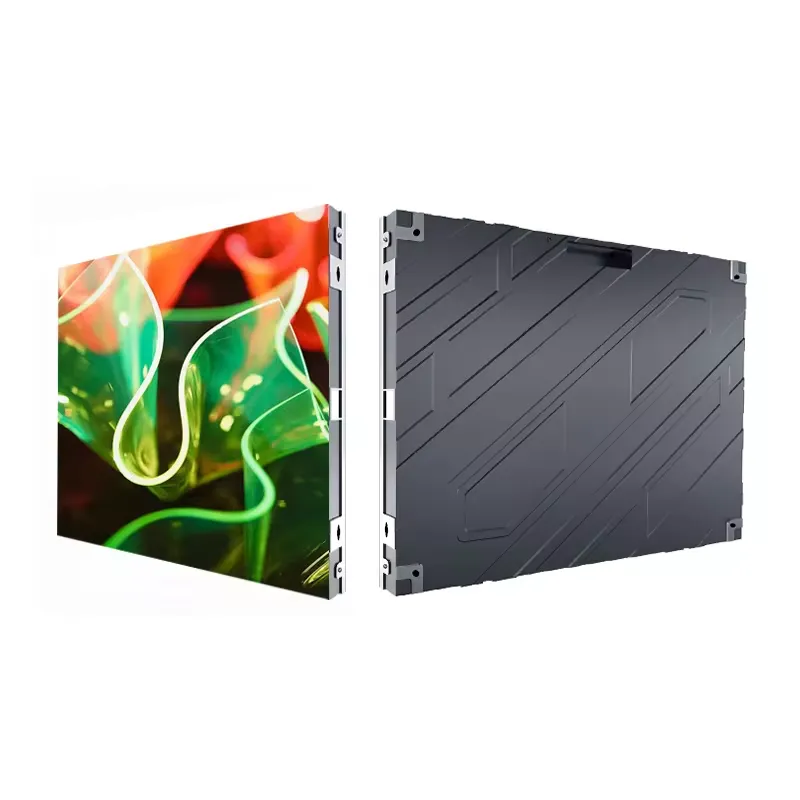
In the fast-paced world of digital display innovation, LED technology continues to evolve at a staggering rate. One of the most groundbreaking advancements in recent years is the adoption of flip chip technology in LED panels. This new approach is not only enhancing the performance of LED displays but also paving the way for more compact, efficient, and durable solutions across industries.


What Is Flip Chip Technology?

Unlike traditional LED packaging methods where the chip is mounted with wires on a substrate, flip chip technology mounts the LED chip directly onto the circuit board with its active area facing down. This method eliminates the need for wire bonding, which not only reduces the physical footprint of the LED but also improves thermal and electrical performance.

By flipping the chip upside down, manufacturers can achieve higher light output and better heat dissipation—two critical factors in creating high-resolution, energy-efficient displays.


Advantages Over Traditional LED Packaging

The benefits of flip chip technology in LED panels are numerous. Firstly, it significantly improves reliability. Without wire bonds, the risk of mechanical failure due to vibration or thermal stress is greatly reduced. This makes flip chip LEDs particularly suitable for environments where stability and long-term performance are essential, such as in outdoor signage or industrial applications.

Secondly, flip chip LEDs support higher current inputs without generating excessive heat, thanks to their superior thermal management. This results in brighter, more vivid displays that consume less energy—an important factor for both consumers and businesses focused on sustainability.

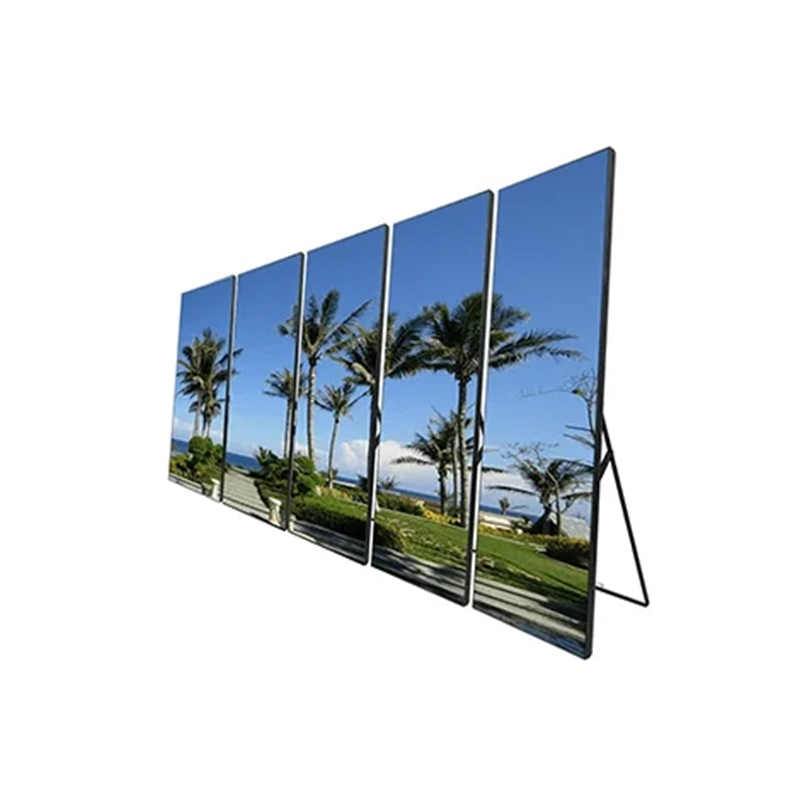
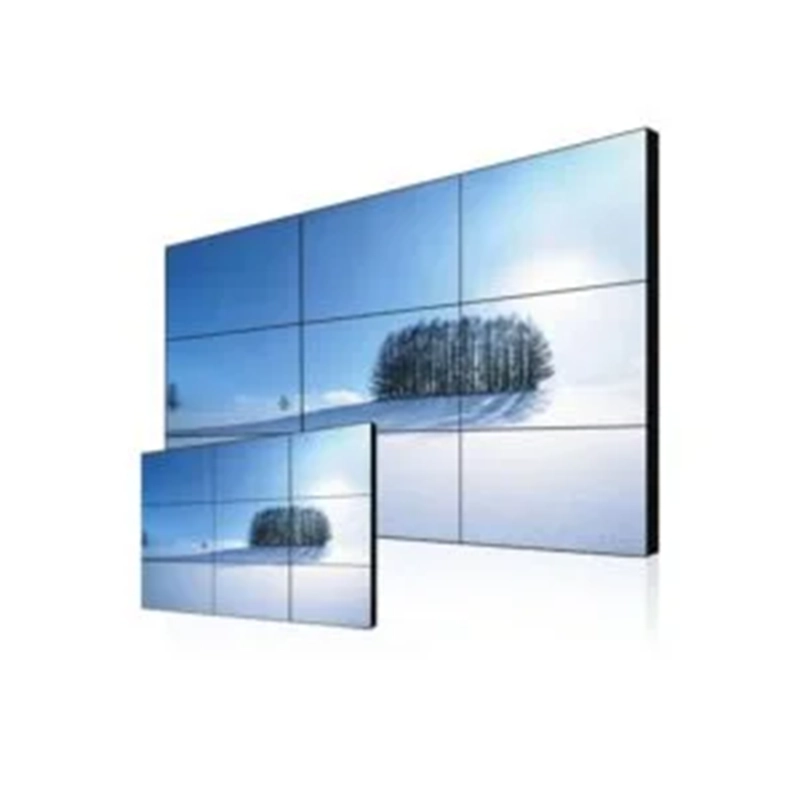
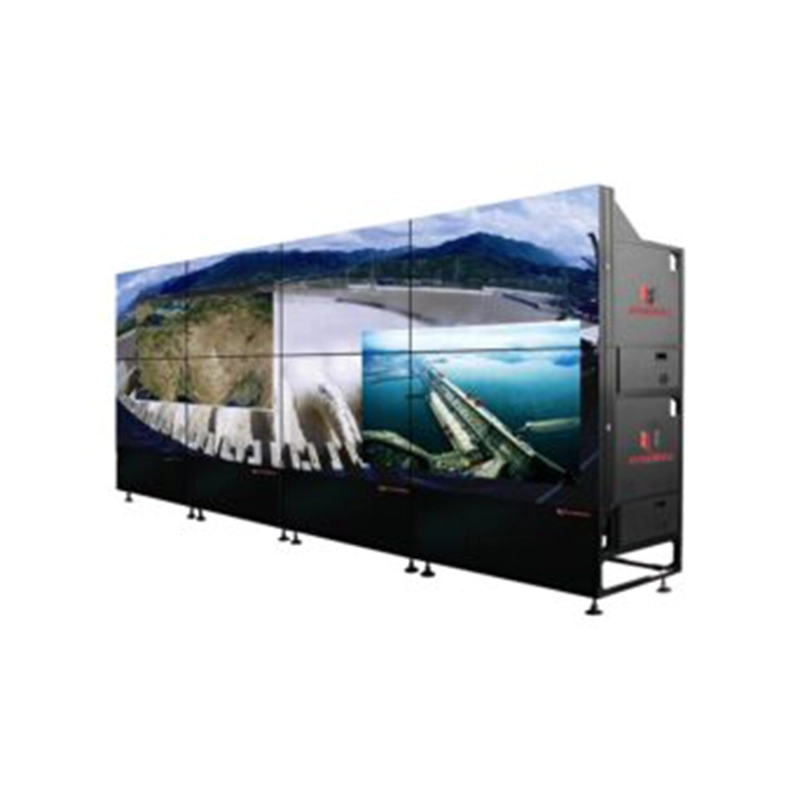
Additionally, the compact design allows for tighter pixel pitches, enabling ultra-high-definition displays. This is especially advantageous in applications like digital billboards, video walls, and next-generation TVs where image clarity and color accuracy are paramount.


Driving Innovation Across Industries

The impact of flip chip LED technology goes beyond consumer electronics. In the medical field, precise and reliable imaging systems benefit from the high brightness and minimal maintenance needs of flip chip panels. In automotive displays, they contribute to enhanced visibility and durability, even under harsh conditions.

Moreover, the efficiency and longevity of flip chip LEDs are making them a preferred choice in smart cities, where energy-saving lighting and signage play a pivotal role in infrastructure planning.

Challenges and the Road Ahead

While the benefits are clear, the adoption of flip chip technology does come with some challenges. The manufacturing process is more complex and requires precise alignment and bonding techniques, which can increase production costs. However, as the technology matures and economies of scale come into play, these costs are expected to decrease.

Research and development in this field continue to push the boundaries of what’s possible. From mini-LEDs to micro-LEDs, flip chip architecture is becoming a foundational element in the next generation of display technologies.


Conclusion:

Flip chip technology is more than just an incremental improvement—it represents a significant leap forward in how LED panels are designed and utilized. By offering superior performance, reliability, and efficiency, it is setting new standards in digital display innovation. As industries continue to adopt and refine this technology, we can expect to see brighter, clearer, and more energy-efficient displays becoming the norm, revolutionizing everything from advertising to entertainment.